How Smart Freight Strategy Can Make or Break Vietnam–India Imports
Freight costs don’t usually make headlines—but they can quietly decide whether a Vietnam–India trade deal becomes a long-term success or a recurring frustration. For importers and exporters moving goods between these two fast-growing economies, logistics expenses often represent the largest variable cost after manufacturing. In an environment of fluctuating fuel prices, port congestion, and shifting carrier strategies, freight optimization is no longer an operational task—it is a strategic imperative.
Vietnam and India are natural trading partners, linked by complementary manufacturing strengths, expanding consumer markets, and improving bilateral relations. Yet many businesses underestimate how quickly inefficient freight decisions can erode margins. The good news? With the right planning, negotiation, and risk management approach, freight costs can be optimized without sacrificing reliability or speed.
Understanding the Vietnam–India Freight Landscape
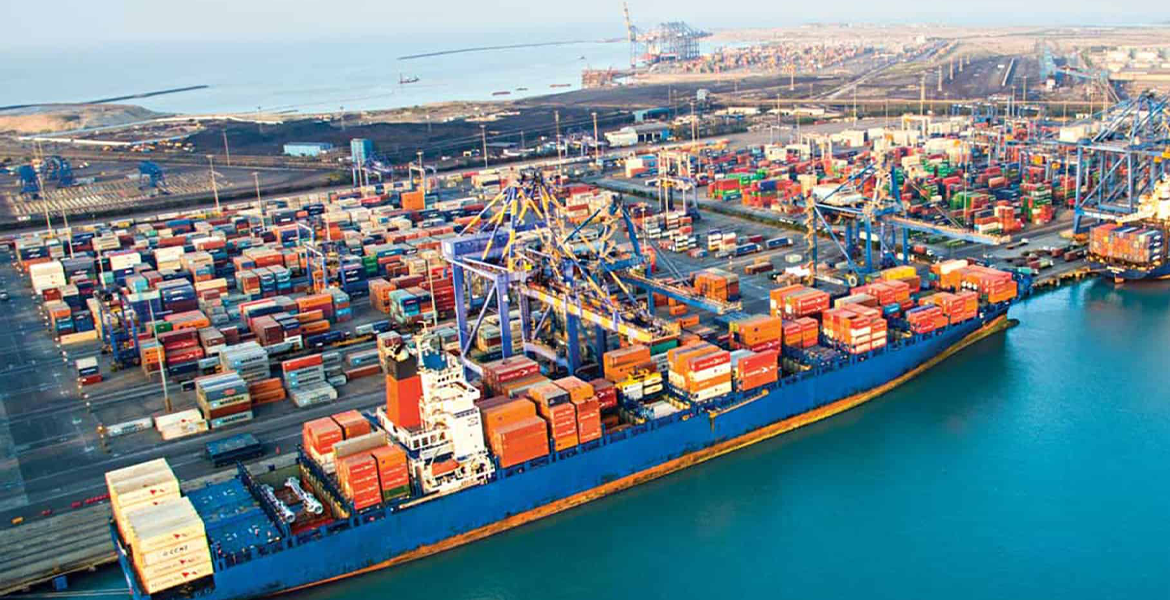
Trade between Vietnam and India is dominated by containerized sea freight, particularly for textiles, electronics, machinery, chemicals, agricultural products, and consumer goods. Major Vietnamese ports such as Hai Phong, Ho Chi Minh City (Cat Lai), and Cai Mep connect to Indian gateways including Nhava Sheva (JNPT), Chennai, Mundra, and Kolkata.
Transit times typically range from 10 to 18 days depending on routing, transshipment points, and port congestion. While direct services are improving, many shipments still move via hubs in Singapore, Port Klang, or Colombo—adding both time and cost. Understanding these routing realities is the first step toward meaningful optimization.
Choosing the Right Incoterms Strategy
One of the most overlooked cost drivers is the choice of Incoterms. Many Indian importers default to CIF, assuming the supplier’s freight arrangement is simpler. In practice, this often means accepting opaque freight markups and limited visibility.
For medium to high volumes, shifting to FOB Vietnam allows Indian buyers to:
-
Negotiate freight directly with forwarders
-
Consolidate shipments across suppliers
-
Gain transparency on ocean, origin, and destination charges
Conversely, Vietnamese exporters shipping regularly to India may benefit from offering both CIF and FOB options, using freight as a competitive differentiator while protecting margins through well-negotiated carrier contracts.
Container Optimization: Paying for Air You Don’t Use
Poor container utilization is a silent profit killer. Many shipments between Vietnam and India move in less-than-optimized containers due to inconsistent packaging standards or inaccurate volume forecasts.
Cost-effective practices include:
-
Redesigning cartons to maximize pallet density
-
Reviewing HS codes to ensure accurate cargo classification
-
Evaluating whether high-density cargo should move as weight-based FCL rather than LCL
For smaller shippers, LCL may appear cheaper, but hidden costs—CFS fees, deconsolidation delays, and handling charges in India—often eliminate the savings. A careful cost-per-unit comparison is essential.
Leveraging Freight Consolidation and Volume Commitments
Freight rates reward consistency. Businesses that ship sporadically pay a premium, while those offering predictable volumes can secure preferential pricing. Even SMEs can benefit by consolidating shipments across SKUs, suppliers, or time windows.
Vietnam-based sourcing offices or third-party logistics partners can play a critical role by:
-
Aggregating cargo from multiple factories
-
Coordinating weekly or bi-weekly sailings
-
Negotiating long-term space commitments with carriers
In volatile markets, volume commitments combined with rate review clauses often outperform purely spot-based freight strategies.
Port Selection and Inland Cost Management
Ocean freight is only part of the equation. Inland transport, terminal handling charges, and last-mile delivery can account for 20–40% of total logistics cost.
On the Vietnam side, inland trucking from northern industrial zones to Hai Phong may be significantly cheaper than routing everything through Ho Chi Minh City. In India, choosing between west coast and east coast ports can dramatically affect inland freight, customs clearance time, and demurrage risk.
Smart shippers regularly reassess:
-
Port congestion trends
-
Trucking availability and fuel surcharges
-
Rail-linked ports for inland destinations
Small adjustments in port strategy often deliver outsized savings.
Negotiating with Forwarders and Carriers
Freight negotiation is not about squeezing rates once—it’s about building leverage over time. Experienced shippers approach negotiations armed with data, not assumptions.
Effective tactics include:
-
Requesting all-in rate breakdowns to identify hidden margins
-
Benchmarking rates across multiple forwarders
-
Separating ocean freight from local charges in negotiations
-
Locking in peak season surcharges in advance
Forwarders who understand Vietnam–India trade lanes can also advise on schedule reliability, carrier performance, and risk hotspots—value that often outweighs marginal rate differences.
Risk Management: The Hidden Cost Multiplier
Delays, demurrage, and documentation errors can quickly wipe out freight savings. Vietnam–India trade involves complex regulatory environments, especially for chemicals, food products, and machinery.
Cost-optimized logistics plans must include:
-
Accurate commercial invoices and packing lists
-
Pre-verification of HS codes and import licenses
-
Clear demurrage and detention terms with carriers
-
Buffer planning around monsoon seasons and festival-related slowdowns
Proactive risk management reduces surprise costs and protects delivery commitments to customers.
Digital Visibility and Continuous Improvement
Freight optimization is not a one-time exercise. Leading companies track shipment performance, cost per unit, and delay causes across lanes and seasons. Digital freight platforms, even when used selectively, provide data that supports better routing, negotiation, and forecasting decisions.
Regular quarterly reviews of freight spend often uncover inefficiencies that crept in during periods of rapid growth or disruption.
Conclusion: Turning Freight into a Competitive Advantage
Vietnam–India trade is poised for long-term growth, but rising logistics complexity demands a more strategic approach to freight. Companies that treat freight as a controllable cost—rather than an unavoidable expense—consistently outperform competitors on both margins and reliability.
By aligning Incoterms strategy, container optimization, port selection, negotiation discipline, and risk management, businesses can transform freight from a pain point into a source of competitive advantage. In today’s trade environment, the most successful importers and exporters are not those who chase the lowest rate—but those who build the smartest freight strategy.
Share:
newsletter
Subscribe To Our Newsletter
Be ready for the ever-changing world.
Get practical insights on cross-border expansion, market entry strategies, digital growth, and Southeast Asia business trends delivered straight to your inbox.
We help businesses expand confidently across India, Vietnam, and Southeast Asia through market entry consulting, growth marketing, and technology-driven execution.
Information
Contact Us
- 455–455A–457 Hoàng Sa, Phường Võ Thị Sáu, Quận 3,Thành phố Hồ Chí Minh, Việt Nam – 700000
- contact@indoviet.vn
- +84-876761740
- +84-562107246
© 2025 IndoViet Consultants & Commerce Co. Ltd. All rights reserved.