Certifications You Must Know Before Importing from Vietnam
Certifications Required When Importing from Vietnam
Importing from Vietnam has rapidly become a strategic move for businesses worldwide. With competitive manufacturing costs, strong trade agreements, and a growing industrial base, Vietnam is now a preferred sourcing destination. However, many importers underestimate one critical aspect—certifications and compliance requirements.
Ignoring these can lead to shipment delays, customs rejections, fines, or even legal issues. If you want smooth, profitable importing, understanding certifications is not optional—it’s essential.
This guide breaks down everything you need to know in a clear and practical way.
Why Certifications Matter in Importing
Before diving into specific certifications, it’s important to understand why they exist.
Certifications ensure:
Product safety and quality
Compliance with destination country laws
Proper documentation for customs clearance
Reduced risk of recalls or penalties
In simple terms, certifications protect both your business and your customers.
Key Certifications Required When Importing from Vietnam
The certifications you need depend largely on:
Product category
Destination country
Industry regulations
Below are the most common and essential ones.
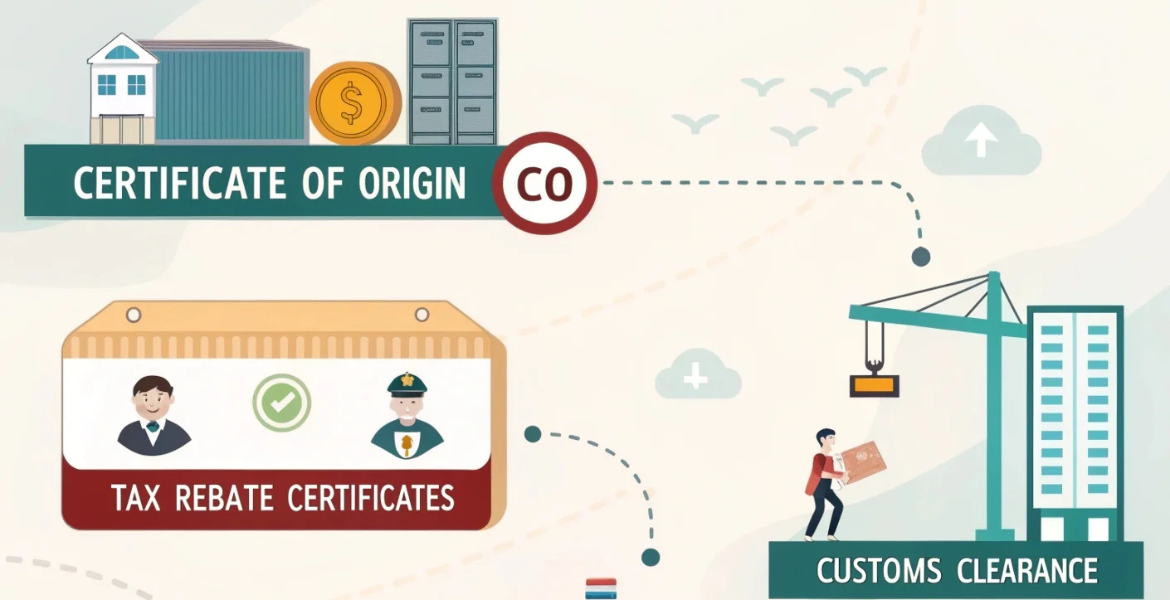
1. Certificate of Origin (CO)
This is one of the most important documents.
What it does:
Confirms that the goods are manufactured in Vietnam
Helps you claim reduced or zero import duties under trade agreements
Why it matters:
Vietnam has multiple Free Trade Agreements (FTAs). Without a valid CO, you may lose significant cost advantages.
2. Commercial Invoice & Packing List
While not “certifications” in the strict sense, these are mandatory documents.
They include:
Product description
Quantity and value
Packaging details
Tip: Ensure accuracy—any mismatch can trigger customs inspections.
3. Product-Specific Certifications
Different products require different compliance documents. Here are key categories:
🔸 Electronics & Electrical Products
CE (for Europe)
FCC (for USA)
RoHS (Restriction of Hazardous Substances)
These ensure safety, electromagnetic compliance, and environmental standards.
🔸 Textiles & Apparel
OEKO-TEX certification (for chemical safety)
Labeling compliance (country-specific rules)
This is especially important for fashion and home textile businesses.
🔸 Food & Agricultural Products
Phytosanitary Certificate
Health Certificate
HACCP or ISO 22000 (food safety systems)
Food imports face strict scrutiny, so documentation must be flawless.
🔸 Cosmetics & Personal Care
Ingredient compliance documentation
Safety Data Sheets (SDS)
Registration in destination country (if required)
Failure here can result in complete shipment rejection.
🔸 Furniture & Home Décor
(Important if you sell products like candles, diffusers, or décor items)
Fumigation Certificate (for wooden items)
Safety standards (e.g., flammability for candles)
Material compliance (chemicals, coatings)
4. Quality Certifications (Optional but Highly Recommended)
These are not always mandatory but greatly improve trust and reliability.
ISO 9001 (Quality Management)
ISO 14001 (Environmental Management)
BSCI or SEDEX (Social compliance audits)
Why you should care:
They reduce supplier risk and improve long-term consistency.
5. Bill of Lading (B/L)
Issued by the shipping carrier, this document:
Confirms shipment ownership
Acts as proof of goods being shipped
It is essential for customs clearance and logistics.
6. Import License (If Required)
Some countries require import licenses for specific goods such as:
Chemicals
Medical devices
Restricted items
Always check your country’s import regulations beforehand.
Common Mistakes Importers Make
Even experienced businesses make these errors:
❌ Assuming one certification fits all countries
Each country has its own rules—what works for the US may not work for Europe.
❌ Relying completely on suppliers
Suppliers may provide documents, but you are responsible for compliance.
❌ Ignoring labeling requirements
Incorrect labels can lead to product rejection even if the product itself is fine.
❌ Skipping pre-shipment verification
Not checking documents before shipping can lead to costly surprises.
Practical Tips for Smooth Importing
Here’s how to stay compliant and avoid problems:
✔ Work with verified suppliers
Choose suppliers who understand export documentation.
✔ Use a third-party inspection agency
They can verify certifications before shipment.
✔ Consult a customs broker
They ensure all documents meet your country’s regulations.
✔ Keep updated with regulations
Import laws change frequently—stay informed.
✔ Maintain documentation records
Always keep digital and physical copies for audits or disputes.
Final Thoughts
Importing from Vietnam offers excellent opportunities—but only if done correctly. Certifications are not just paperwork; they are the foundation of a successful and risk-free import business.
By understanding and managing certification requirements properly, you can:
Reduce delays
Avoid penalties
Build a reliable supply chain
Scale your business confidently
If you treat compliance as a priority rather than an afterthought, Vietnam can become one of your most profitable sourcing destinations.
Share:
newsletter
Subscribe To Our Newsletter
Be ready for the ever-changing world.
Get practical insights on cross-border expansion, market entry strategies, digital growth, and Southeast Asia business trends delivered straight to your inbox.
We help businesses expand confidently across India, Vietnam, and Southeast Asia through market entry consulting, growth marketing, and technology-driven execution.
Information
Contact Us
- 455–455A–457 Hoàng Sa, Phường Võ Thị Sáu, Quận 3,Thành phố Hồ Chí Minh, Việt Nam – 700000
- contact@indoviet.vn
- +84-562107246
© 2025 IndoViet Consultants & Commerce Co. Ltd. All rights reserved.