Cross-Border Logistics Between India and Vietnam: Costs, Timelines & Risks
Trade between India and Vietnam has expanded significantly in recent years, supported by stronger diplomatic relations, increased manufacturing activity, and the strategic importance of Southeast Asia in global supply chains. As businesses in both countries seek new markets and sourcing opportunities, cross-border logistics has become a crucial factor in ensuring smooth and cost-effective trade flows. Understanding the costs involved, expected timelines, and potential risks is essential for companies planning to ship goods between these two growing economies.
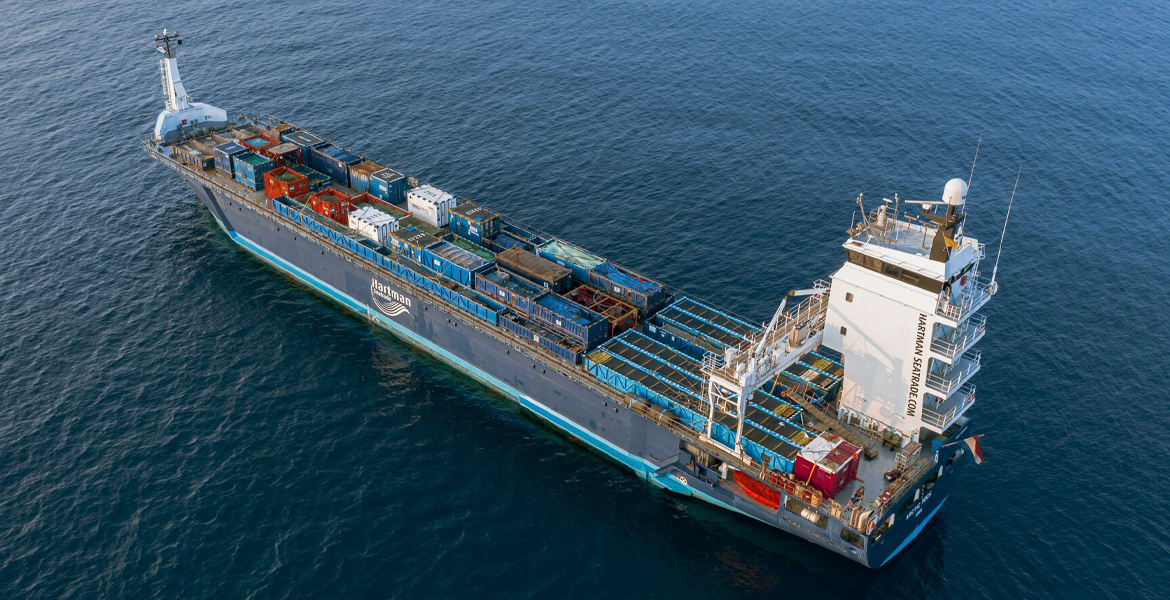
Logistics connectivity between India and Vietnam is primarily facilitated through maritime and air transportation. Sea freight accounts for the majority of trade volume due to its cost efficiency, especially for bulk goods and containerized cargo. Major Indian ports such as Mumbai, Chennai, and Kolkata serve as key export gateways, while Ho Chi Minh City, Hai Phong, and Da Nang are the main entry points in Vietnam. Air freight, although more expensive, is widely used for high-value, perishable, or time-sensitive shipments, particularly in sectors like electronics, pharmaceuticals, and fashion.
The overall cost of cross-border logistics between India and Vietnam depends on several interrelated factors. Freight charges vary according to the mode of transport, shipment volume, cargo type, and seasonal demand. Sea freight offers lower per-unit costs but requires larger shipment volumes and longer transit times, while air freight commands a premium for speed and reliability. Beyond freight charges, businesses must consider customs duties, port handling fees, documentation costs, inland transportation, warehousing, and insurance. These additional expenses often make up a significant portion of the total landed cost and must be factored into pricing and profitability calculations.
Transit timelines between India and Vietnam can vary widely based on routing and operational conditions. Air shipments typically reach their destination within a few days, making them suitable for urgent deliveries. Sea freight usually takes between two to four weeks, depending on whether the route is direct or involves transshipment through regional hubs. Delays can occur due to port congestion, vessel scheduling changes, customs inspections, or adverse weather conditions, particularly during monsoon seasons or regional holidays. As a result, companies need to plan lead times carefully to avoid supply chain disruptions.
Despite the growth in bilateral trade, cross-border logistics between India and Vietnam is not without risks. Regulatory complexity remains a key challenge, as differences in customs procedures, product classifications, and compliance requirements can lead to delays or unexpected costs. Inaccurate documentation or lack of familiarity with import regulations may result in cargo being held at ports or subjected to additional inspections. Infrastructure limitations, especially in inland transportation and warehouse connectivity, can also affect delivery reliability and increase transit times.
Operational risks further add to the complexity of logistics planning. Changes in transport regulations, labor availability, and safety norms can impact trucking capacity and operating costs. External factors such as extreme weather events, global supply chain disruptions, and geopolitical developments can also influence freight rates and route availability. These uncertainties make risk management an essential component of cross-border logistics strategy.
To succeed in the India–Vietnam trade corridor, businesses must adopt a proactive and informed approach to logistics management. Careful selection of transport modes, realistic scheduling, strong documentation practices, and collaboration with experienced logistics partners can help mitigate risks and control costs. Insurance coverage and contingency planning also play an important role in safeguarding shipments against unforeseen events.
In conclusion, cross-border logistics between India and Vietnam presents both significant opportunities and notable challenges. While expanding trade volumes and improving connectivity continue to strengthen this corridor, cost pressures, variable timelines, and operational risks remain part of the logistics landscape. Companies that invest in planning, compliance, and reliable logistics partnerships will be best positioned to leverage the full potential of trade between these two dynamic economies.
Share:
newsletter
Subscribe To Our Newsletter
Be ready for the ever-changing world.
Get practical insights on cross-border expansion, market entry strategies, digital growth, and Southeast Asia business trends delivered straight to your inbox.
We help businesses expand confidently across India, Vietnam, and Southeast Asia through market entry consulting, growth marketing, and technology-driven execution.
Information
Contact Us
- 455–455A–457 Hoàng Sa, Phường Võ Thị Sáu, Quận 3,Thành phố Hồ Chí Minh, Việt Nam – 700000
- contact@indoviet.vn
- +84-876761740
- +84-562107246
© 2025 IndoViet Consultants & Commerce Co. Ltd. All rights reserved.