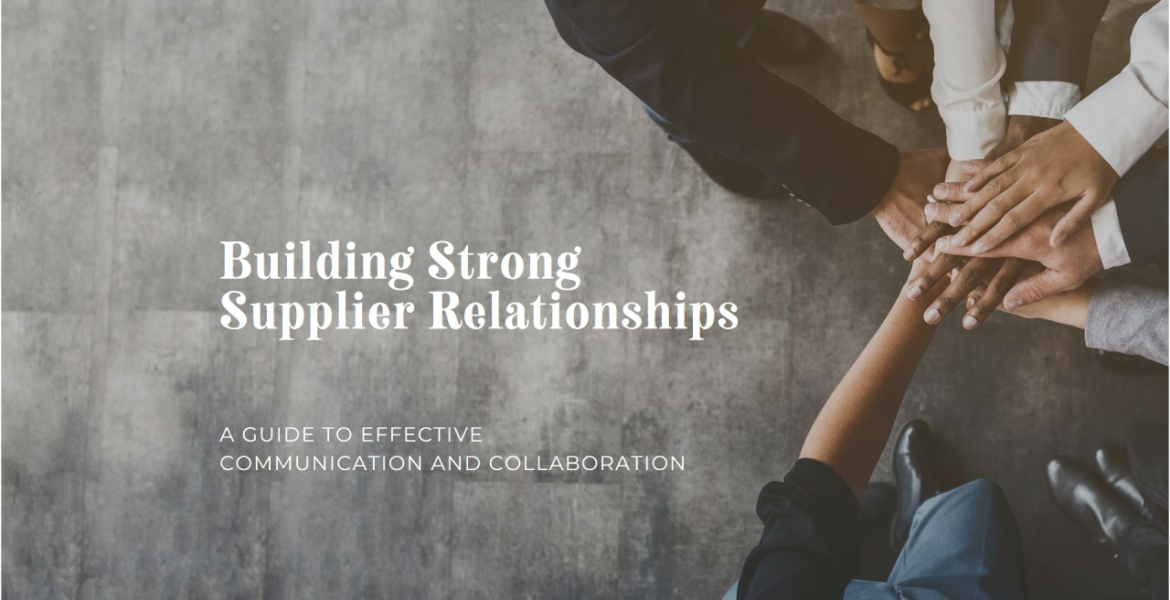
Building Strong Supplier Relationships in Vietnam: A Practical Guide
Supplier Relationship Management in Vietnam
Introduction: Why Relationships Matter More Than Contracts
When sourcing from Vietnam, many businesses focus heavily on pricing, production timelines, and contracts. While these are important, they are not what truly determine long-term success.
In Vietnam’s business culture, relationships often carry more weight than paperwork. Suppliers are more responsive, flexible, and committed when they view you as a partner rather than just another buyer.
If you want consistent quality, reliable delivery, and long-term scalability, mastering supplier relationship management is not optional—it’s essential.
1. Understand the Cultural Foundation
Vietnamese business culture is relationship-driven and values trust, respect, and long-term cooperation.
Key cultural aspects to keep in mind:
- Personal relationships build business confidence
- Respect and politeness are highly valued
- Decision-making can be hierarchical
Practical tip: Take time to build rapport—simple gestures like regular check-ins or visiting the factory can go a long way.
2. Move from Transactional to Partnership Thinking
Treating suppliers as cost centers is one of the biggest mistakes importers make.
Instead, aim for:
- Long-term collaboration
- Mutual growth
- Shared goals
When suppliers see stability in your orders, they are more likely to prioritize your production and maintain quality standards.
3. Set Clear Expectations from Day One
Strong relationships don’t mean informal processes. Clarity actually strengthens trust.
Define clearly:
- Product specifications
- Quality standards
- Delivery timelines
- Penalties or corrective actions
A transparent framework reduces misunderstandings and avoids future conflicts.
4. Communicate Consistently and Professionally
Poor communication is one of the top reasons supplier relationships fail.
Best practices:
- Use clear and simple language
- Avoid assumptions—confirm everything in writing
- Schedule regular updates (weekly or bi-weekly)
Consistency in communication builds confidence and prevents small issues from becoming major problems.
5. Visit and Engage On-Ground
Face-to-face interaction still holds strong value in Vietnam.
Why it matters:
- Builds trust faster
- Helps you understand factory operations
- Improves accountability
If frequent visits are not possible, consider working with a local representative or sourcing partner.
6. Be Fair in Negotiations
Aggressive price negotiations may save money in the short term but can damage relationships.
Balanced approach:
- Negotiate realistically
- Understand supplier cost structures
- Avoid pushing margins too low
Suppliers under pressure may cut corners—often at the expense of quality.
7. Create a Feedback and Improvement Loop
Strong relationships are built on continuous improvement.
Implement:
- Regular performance reviews
- Feedback on quality and timelines
- Joint problem-solving sessions
This creates a sense of shared responsibility rather than blame.
8. Build Redundancy Without Breaking Trust
Relying on a single supplier is risky, but diversification must be handled carefully.
Smart strategy:
- Work with multiple suppliers
- Be transparent (where appropriate)
- Avoid creating competition that harms trust
Balance risk management with relationship stability.
9. Recognize and Reward Good Performance
Suppliers respond positively when their efforts are acknowledged.
Simple ways to build goodwill:
- Offer repeat orders
- Provide long-term commitments
- Pay on time
These actions strengthen loyalty and improve cooperation.
10. Prepare for Challenges—Handle Them Professionally
No supply chain is perfect. Delays, defects, or miscommunication will happen.
What matters is how you respond:
- Stay calm and solution-focused
- Address issues early
- Avoid blame-driven conversations
Professional handling of problems often strengthens relationships rather than weakening them.
Conclusion: Relationships Are Your Real Competitive Advantage
In Vietnam, successful sourcing is not just about finding the right supplier—it’s about building the right relationship.
Businesses that invest in trust, communication, and long-term collaboration gain a significant advantage:
- Better quality consistency
- Priority production
- Greater flexibility during challenges
Supplier relationship management is not a soft skill—it’s a strategic capability that directly impacts your bottom line.
Approach your Vietnam suppliers as partners, not vendors, and you’ll build a supply chain that is not only efficient but also resilient and scalable.
Share:
newsletter
Subscribe To Our Newsletter
Be ready for the ever-changing world.
Get practical insights on cross-border expansion, market entry strategies, digital growth, and Southeast Asia business trends delivered straight to your inbox.
We help businesses expand confidently across India, Vietnam, and Southeast Asia through market entry consulting, growth marketing, and technology-driven execution.
Information
Contact Us
- 455–455A–457 Hoàng Sa, Phường Võ Thị Sáu, Quận 3,Thành phố Hồ Chí Minh, Việt Nam – 700000
- contact@indoviet.vn
- +84-876761740
- +84-562107246
© 2025 IndoViet Consultants & Commerce Co. Ltd. All rights reserved.