
From India to Vietnam: A Practical Market Entry Guide
Vietnam Market Entry for Indian Businesses: A Step-by-Step Playbook
Introduction: Why Vietnam, Why Now?
In the evolving landscape of global trade, Vietnam has quietly transformed into one of Asia’s most strategic manufacturing and consumption hubs. For Indian businesses looking to diversify supply chains, reduce overdependence on China, or expand into ASEAN markets, Vietnam is no longer an option—it’s an opportunity.
With strong GDP growth, investor-friendly policies, competitive labor costs, and multiple free trade agreements, Vietnam offers a compelling entry point. But entering this market without a structured approach can lead to costly missteps.
This playbook breaks down the Vietnam market entry process into clear, actionable steps—helping Indian businesses move from interest to execution with confidence.
Step 1: Define Your Market Entry Objective
Before entering Vietnam, clarity is critical.
Ask yourself:
- Are you entering for manufacturing, sourcing, or selling?
- Is your goal cost reduction, market expansion, or supply chain diversification?
- Are you testing the market or committing long-term?
Your objective will determine everything—from legal structure to partner selection.
Step 2: Conduct Market Feasibility Analysis
Vietnam is not a one-size-fits-all market.
Key areas to assess:
- Demand trends in your industry
- Local competition and pricing benchmarks
- Consumer behavior and preferences
- Regulatory barriers (especially for imports)
For example:
- Home décor businesses (like your brand Kaltor) may find strong demand in urban centers like Ho Chi Minh City.
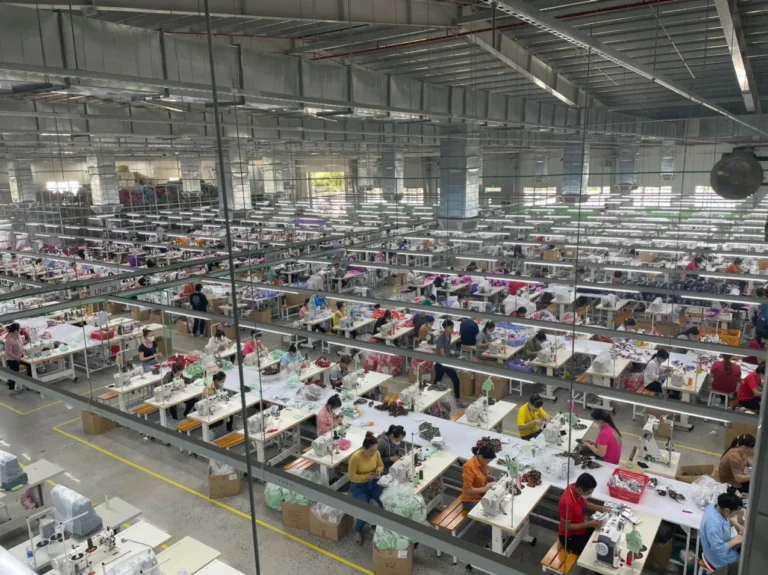
- B2B exporters may benefit from Vietnam’s manufacturing ecosystem.
Insight: Many Indian businesses skip this step and rely on assumptions—this is where most failures begin.
Step 3: Choose the Right Market Entry Mode
There are multiple ways to enter Vietnam. The right choice depends on your risk appetite and investment capacity.
Common Entry Models:
- Exporting from India
- Low risk, quick entry
- Limited control over distribution
- Local Distributor/Agent
- Faster market penetration
- Requires strong due diligence
- Representative Office (RO)
- Good for market research
- Cannot generate revenue
- Wholly Foreign-Owned Enterprise (WFOE)
- Full control
- Higher compliance and setup cost
- Joint Venture (JV)
- Local expertise advantage
- Requires careful partner selection
Practical Tip: Start with a distributor model, then scale to a legal entity once demand is validated.
Step 4: Understand Legal and Compliance Requirements
Vietnam has made significant improvements in ease of doing business—but compliance still matters.
Key Considerations:
- Business registration and licensing
- Import/export regulations
- Product certifications (especially for consumer goods)
- Tax structure (Corporate Tax, VAT)
Watch out for:
- Industry-specific restrictions
- Changing regulatory policies
- Documentation delays
Pro Tip: Work with a local legal or consulting partner to avoid costly compliance errors.
Step 5: Build a Reliable Local Network
In Vietnam, relationships are everything.
Focus Areas:
- Local distributors
- Suppliers and manufacturers
- Logistics providers
- Government and trade bodies
Trust-building takes time, but it directly impacts:
- Pricing negotiations
- Payment terms
- Operational reliability
Ground presence (even through a local partner) significantly improves outcomes.
Step 6: Supplier & Partner Due Diligence
One of the biggest risks in Vietnam is choosing the wrong partner.
Due Diligence Checklist:
- Business licenses and registration
- Factory audits
- Financial stability
- Previous client references
Red Flag: Overly aggressive pricing or unrealistic promises.
Best Practice: Always verify on-ground—remote validation is not enough.
Step 7: Optimize Supply Chain & Logistics
Vietnam’s logistics ecosystem is improving but still requires planning.
Key Elements:
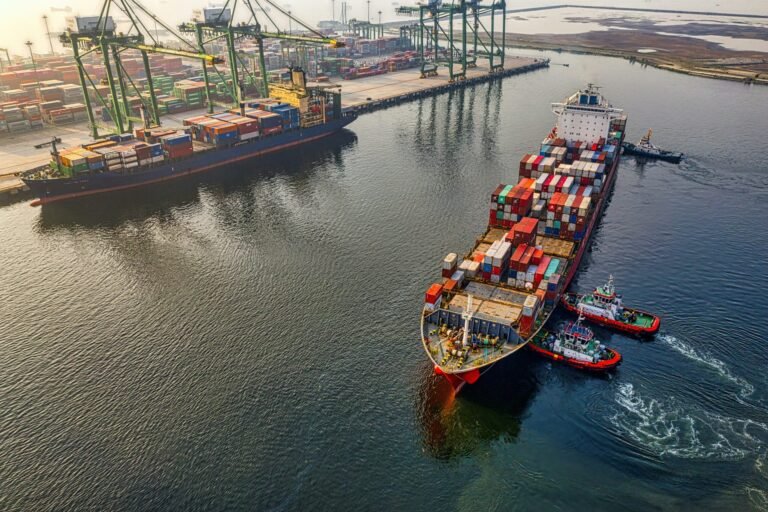
- Port selection (Hai Phong, Ho Chi Minh City)
- Shipping timelines
- Customs clearance process
- Warehousing and distribution
Cost Insight: Hidden logistics costs can impact margins if not planned properly.
Step 8: Adapt Product & Pricing Strategy
What works in India may not work in Vietnam.
Adaptation Areas:
- Product design and packaging
- Pricing strategy
- Branding and messaging
- Channel strategy (online vs offline)
Example: Vietnamese consumers often prefer minimalist, modern designs over traditional styles.
Step 9: Test the Market Before Scaling
Avoid large upfront investments.
Smart Entry Strategy:
- Pilot launch with limited SKUs
- Test through local distributors or marketplaces
- Gather customer feedback
- Refine strategy before scaling
This reduces risk and improves long-term success rates.
Step 10: Establish Long-Term Presence
Once validated, scale strategically:
- Set up a local office or entity
- Build a local team
- Strengthen supplier relationships
- Invest in branding and distribution
Vietnam rewards businesses that commit long-term.
Common Mistakes to Avoid
- Entering without market research
- Choosing partners based on price alone
- Ignoring compliance requirements
- Underestimating cultural differences
- Lack of on-ground presence
Conclusion: From Opportunity to Execution
Vietnam offers a powerful gateway for Indian businesses—but success requires more than intent. It demands structure, local insight, and disciplined execution.
By following this step-by-step playbook, businesses can reduce risk, improve decision-making, and build a sustainable presence in one of Asia’s fastest-growing markets.
The opportunity is real—but only for those who approach it strategically.