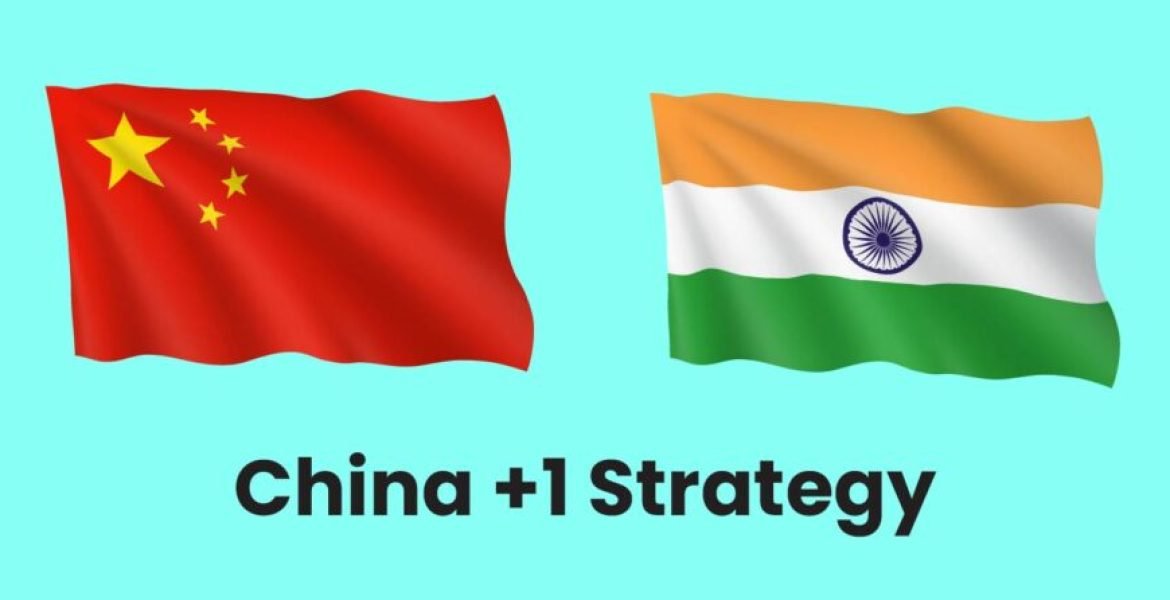
Vietnam vs China: The Rise of the China+1 Strategy
Why Vietnam Is the New China+1 Hub for Global Trade
Introduction: The Shift That’s Reshaping Global Supply Chains
For decades, China was the undisputed center of global manufacturing. But today, businesses across the world are actively rethinking that dependency. Rising costs, geopolitical tensions, and supply chain disruptions have pushed companies toward a smarter strategy—China+1.
At the heart of this shift lies Vietnam.
Once considered a secondary manufacturing destination, Vietnam has rapidly emerged as a preferred alternative for global companies seeking resilience, cost efficiency, and market access. But what exactly makes Vietnam the new China+1 hub—and is it truly ready to take on this role?
Let’s break it down.
Understanding the China+1 Strategy
The China+1 strategy is simple in concept:
Don’t rely on a single country (China) for manufacturing or sourcing—add another strategic base.
This approach helps businesses:
- Reduce supply chain risk
- Manage geopolitical uncertainty
- Optimize costs
- Improve flexibility
Vietnam has become one of the most attractive “+1” destinations—and not by accident.
1. Competitive Manufacturing Costs
One of Vietnam’s biggest advantages is its cost competitiveness.
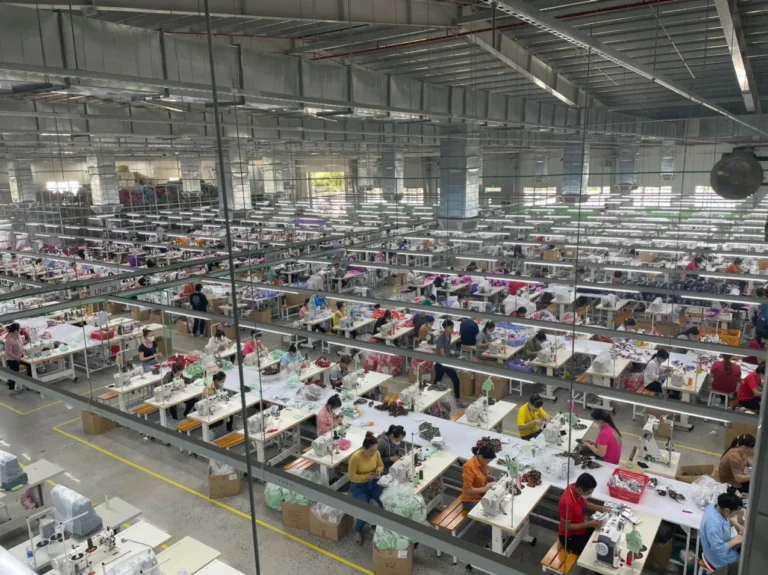
- Labor costs are significantly lower than China
- Overhead expenses (land, utilities) are more affordable
- Government incentives further reduce operational costs
For industries like textiles, furniture, electronics, and home décor, this cost advantage directly improves margins.
However: Lower cost doesn’t mean lower quality—Vietnam has steadily improved its manufacturing capabilities over the past decade.
2. Strategic Geographic Location
Vietnam’s location is a major logistical advantage.
- Proximity to China enables easy supplier diversification
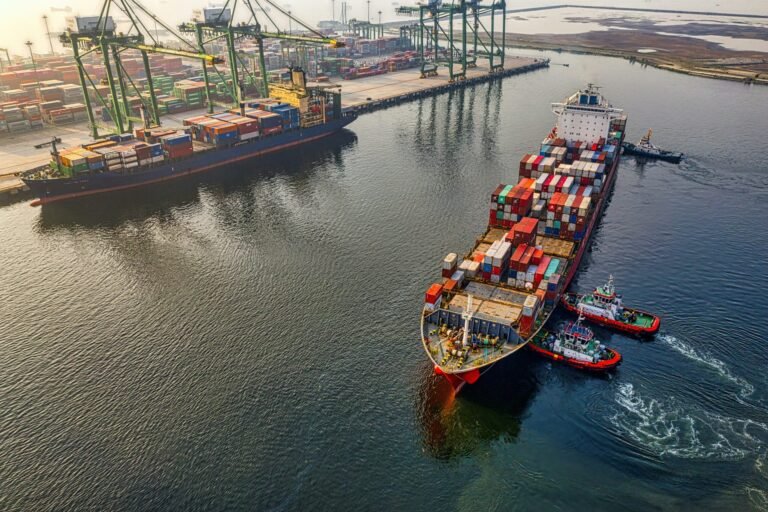
- Access to major shipping routes in Southeast Asia
- Well-connected ports like Hai Phong and Ho Chi Minh City
This allows companies to maintain partial operations in China while shifting some production to Vietnam—without disrupting supply chains.
3. Strong Trade Agreements and Global Access
Vietnam is one of the most globally integrated economies today.
It has signed multiple free trade agreements (FTAs), including:
- CPTPP (Comprehensive and Progressive Agreement for Trans-Pacific Partnership)
- EVFTA (EU-Vietnam Free Trade Agreement)
- RCEP (Regional Comprehensive Economic Partnership)
These agreements offer:
- Reduced or zero import/export duties
- Easier market access to major economies
- Competitive advantage over non-member countries
For exporters, this is a game-changer.
4. Stable Political and Economic Environment
Stability is a critical factor in supply chain decisions.
Vietnam offers:
- A stable political system
- Consistent economic growth
- Pro-business government policies
Unlike many emerging markets, Vietnam has maintained a predictable investment climate—something global companies value highly.
5. Growing Manufacturing Capabilities
Vietnam is no longer limited to low-end manufacturing.
Today, it supports:
- Electronics assembly (major global brands operate here)
- Furniture and home décor production
- Textiles and garments
- Industrial components
Skilled labor availability is improving, and the country is gradually moving up the value chain.
Insight: Vietnam may not fully replace China—but it doesn’t need to. It complements it.
6. Government Support for Foreign Investment
Vietnam actively encourages foreign businesses.
Key benefits include:
- Tax incentives for manufacturing sectors
- Simplified business registration processes
- Industrial parks with ready infrastructure
Special economic zones and export processing zones make it easier for companies to set up operations quickly.
7. Supply Chain Diversification and Risk Reduction
The COVID-19 pandemic exposed the risks of concentrated supply chains.
Vietnam helps businesses:
- Spread manufacturing risk
- Avoid single-country dependency
- Build more resilient sourcing strategies
China+1 is not about replacing China—it’s about reducing vulnerability.
8. Rapid Infrastructure Development
Vietnam has invested heavily in:
- Ports and logistics
- Industrial zones
- Road and rail connectivity
While still developing compared to China, the gap is narrowing quickly.
Challenges to Consider
Vietnam is not without its limitations. Smart businesses enter with awareness.
Key challenges:
- Limited capacity in certain industries
- Supply chain still developing for complex manufacturing
- Dependence on imported raw materials (often from China)
- Language and cultural barriers
Reality Check: Vietnam is a powerful addition—not a perfect replacement.
Practical Insights for Businesses
If you’re considering Vietnam as part of your China+1 strategy:
Start Smart:
- Begin with partial sourcing or pilot production
- Identify reliable local partners
- Conduct on-ground due diligence
Focus Areas:
- Cost vs. capability balance
- Logistics planning
- Regulatory compliance
Think Long-Term:
- Build relationships, not just transactions
- Invest in local presence over time
- Adapt to market and operational realities
Conclusion: Vietnam’s Role in the Future of Global Trade
Vietnam’s rise is not temporary—it’s structural.
As global supply chains evolve, businesses are moving toward diversification, flexibility, and resilience. Vietnam fits perfectly into this new model.
It may not replace China—but it has firmly established itself as the most strategic China+1 partner.