
The Smart Way to Enter Vietnam: IndoViet’s Proven Risk Strategy
How IndoViet Reduces Market Entry Risk by 60–70% in 6 Months
Entering a new market can feel like stepping into the unknown. Regulations are unfamiliar, suppliers are unverified, and cultural differences can quietly derail even the most well-planned strategies. For many businesses, especially those expanding into Vietnam, the biggest challenge isn’t opportunity—it’s uncertainty.
This is where IndoViet stands out. By combining on-ground expertise with structured risk management, IndoViet has developed a practical system that reduces market entry risk by as much as 60–70% within just six months. But how exactly does this work?
Let’s break it down.
The Real Problem with Market Entry
Most companies underestimate the complexity of entering a new country. Common risks include:
- Choosing unreliable suppliers
- Misunderstanding legal and compliance requirements
- Poor pricing and cost assumptions
- Lack of local negotiation leverage
- Cultural and communication gaps
These issues don’t just slow down progress—they can lead to financial losses, damaged reputation, or complete market failure.
IndoViet’s approach focuses on eliminating these risks systematically rather than reacting to them later.
IndoViet’s 6-Month Risk Reduction Framework
1. Market Validation & Feasibility (Month 1–2)
Before any investment is made, IndoViet conducts deep market validation. This includes:
- Demand and competition analysis
- Pricing benchmarks
- Regulatory feasibility checks
- Identification of viable product categories
Outcome: Businesses avoid entering markets that are not commercially viable.
2. Verified Supplier Identification (Month 2–3)
Instead of relying on online directories or third-party claims, IndoViet uses its local network to:
- Shortlist pre-screened suppliers
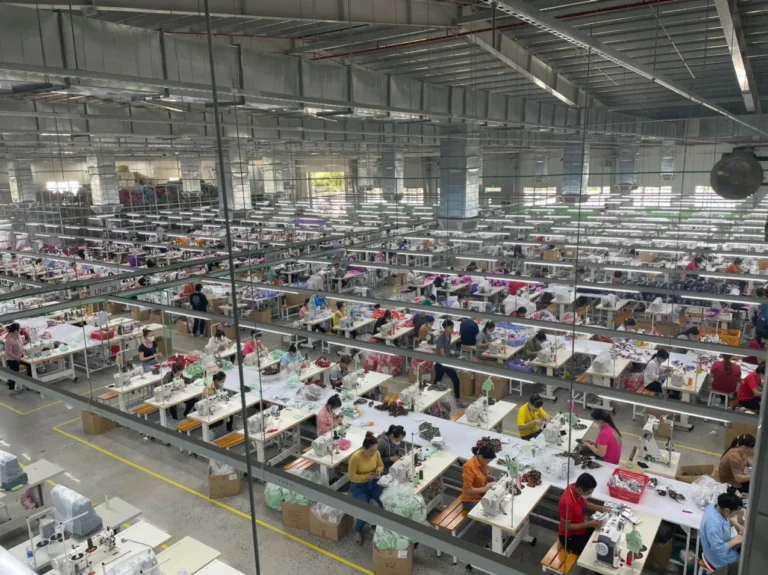
- Conduct factory audits
- Verify production capabilities and compliance
Outcome: Reduced risk of fraud, poor quality, or supply chain disruptions.
3. On-Ground Due Diligence (Month 3–4)
This is where IndoViet creates a major advantage—physical presence.
- Factory visits and inspections
- Sample validation and quality checks
- Capacity and timeline verification
Outcome: Businesses gain real visibility instead of relying on assumptions.
4. Negotiation & Cost Optimization (Month 4–5)
Local expertise plays a crucial role in negotiations.
- Price benchmarking against local standards
- Contract structuring
- Payment term optimization
- Hidden cost identification
Outcome: Improved margins and reduced financial risk.
5. Pilot Orders & Testing (Month 5–6)
Rather than jumping into full-scale operations, IndoViet recommends controlled pilot runs.
- Small batch production
- Quality consistency checks
- Logistics and delivery testing
Outcome: Early detection of issues before scaling.
6. Compliance & Documentation Setup (Parallel Process)
Throughout the process, IndoViet ensures:
- Legal compliance
- Import/export documentation
- Certifications and standards alignment
Outcome: Avoidance of regulatory penalties and shipment delays.
Why This Approach Works
The reason IndoViet can reduce risk so effectively is simple: it replaces assumptions with verified data.
Instead of:
- Guessing supplier reliability → They verify it on ground
- Estimating costs → They benchmark locally
- Trusting paperwork → They validate physically
This structured approach transforms market entry from a high-risk gamble into a controlled, step-by-step process.
Practical Benefits for Businesses
Companies working with IndoViet typically experience:
- Faster decision-making due to reliable data
- Lower sourcing and operational costs
- Stronger supplier relationships
- Reduced chances of fraud or miscommunication
- Higher success rates in new market entry
Most importantly, businesses gain confidence. Instead of reacting to problems, they operate with clarity and control.
Final Thoughts
Expanding into a market like Vietnam offers immense potential—but only if approached strategically. The difference between success and failure often lies in how well risks are managed in the early stages.
IndoViet’s 6-month framework doesn’t eliminate risk entirely—no system can. But by reducing it by 60–70%, it gives businesses a significant edge. It allows them to enter new markets not with hesitation, but with a clear, tested, and reliable plan.