“Cut the Middleman: How to Find Real Factories in Vietnam”
Factory vs Trading Company in Vietnam: How to Identify the Difference
Opening: The Supplier You Think You’re Dealing With… Might Not Be
You find a promising Vietnamese supplier—competitive pricing, fast responses, and a polished catalog. Everything looks perfect. But when production starts, delays creep in, quality varies, and communication becomes fragmented.
What went wrong?
In many cases, the issue isn’t the supplier’s capability—it’s their identity. You thought you were dealing directly with a factory, but you were actually working with a trading company.
This distinction matters more than most businesses realize. Choosing the wrong type of supplier can impact your pricing, quality control, flexibility, and long-term scalability. The key is knowing how to identify the difference early.
🧩 Understanding the Basics
What is a Factory?
A factory is the actual manufacturer. They own or operate production facilities, machinery, and labor.
Key characteristics:
- Direct control over production
- Better pricing (no middleman margin)
- Greater customization capabilities
- More transparency (if verified properly)
What is a Trading Company?
A trading company acts as an intermediary between you and one or more factories.
Key characteristics:
- Sources products from multiple manufacturers
- Adds a markup to pricing
- Handles communication and coordination
- Often offers a wider product range
⚖️ Factory vs Trading Company: Why the Difference Matters
| Factor | Factory | Trading Company |
|---|---|---|
| Pricing | Lower (direct) | Higher (includes margin) |
| Communication | Direct | Indirect |
| Flexibility | High for customization | Limited |
| Product Range | Narrow (specialized) | Wide |
| Risk | Lower (if verified) | Depends on transparency |
There’s no universally “better” option—it depends on your business model. But not knowing who you’re dealing with? That’s where problems begin.
🔍 How to Identify Whether You’re Dealing with a Factory or Trader
1. Check Their Product Range
Factories typically specialize in a narrow category. If a supplier offers everything from furniture to electronics to textiles, it’s almost certainly a trading company.
Practical tip:
Ask for a product catalog focused on one category. If they struggle to provide depth, they’re likely not the manufacturer.
2. Ask Direct Questions About Production
Don’t hesitate to be specific.
Ask:
- Do you own the factory or outsource production?
- Where is your production facility located?
- Can you share factory photos or videos?
Red flag:
Vague or evasive answers often indicate a middleman.
3. Request a Factory Visit (or Virtual Tour)
A genuine manufacturer will usually welcome a visit or at least offer a detailed virtual tour.
What to look for:
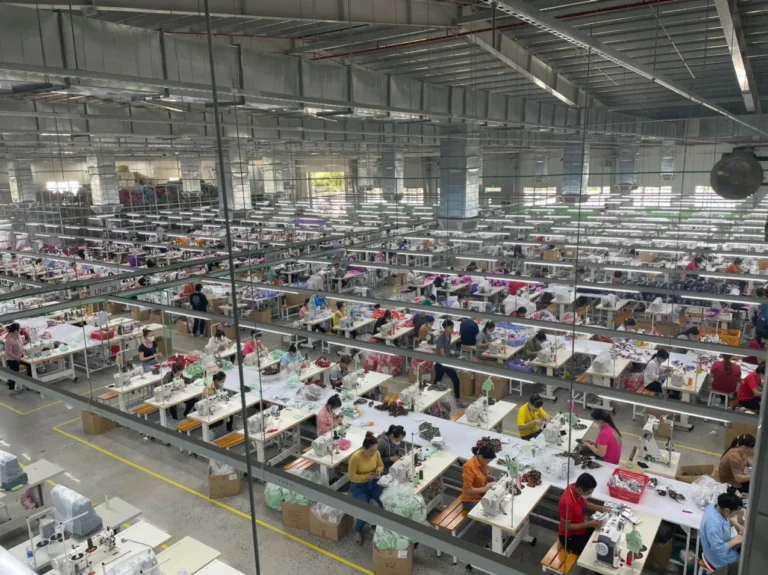
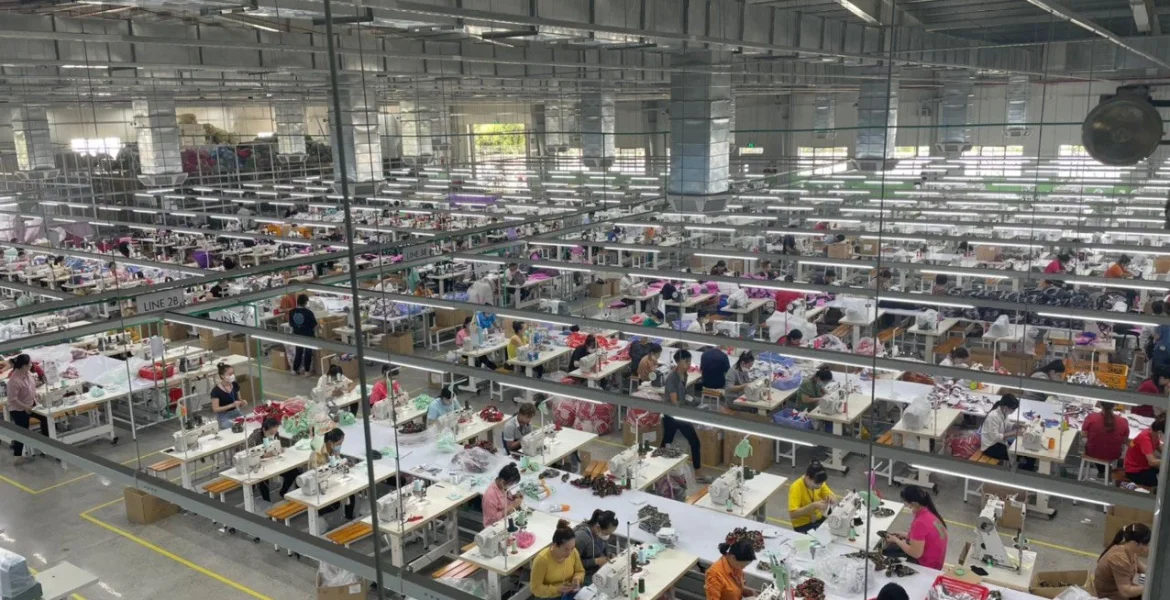
- Machinery and production lines
- Workers in action
- Raw material storage
Warning sign:
If they avoid visits or make excuses, proceed cautiously.
4. Review Business License and Registration
Vietnamese business licenses clearly state the nature of the business.
What to check:
- Does it mention “manufacturing” or “trading”?
- Is the registered address consistent with a factory location?
Pro tip:
Use third-party verification if you’re unsure how to interpret documents.
5. Evaluate Technical Knowledge
Factories understand production in detail. Traders often have limited technical depth.
Test them:
- Ask about materials, tolerances, or production processes
- Request suggestions for product improvements
Observation:
Factories give detailed, practical answers. Traders often stay surface-level.
6. Analyze Pricing Behavior
Factories usually provide stable pricing based on production costs. Traders may show more variability.
Clues:
- Frequent price changes
- Delayed quotations (waiting for factory input)
- Inconsistent cost breakdowns
7. Look at Customization Capabilities
If you need private labeling or product modifications, this is a critical test.
Factories:
- Open to customization
- Can adjust designs and materials
Trading companies:
- Limited flexibility
- Often restricted by factory capabilities
8. Check Export Experience
Some trading companies are actually better at handling exports than small factories.
What to evaluate:
- Documentation accuracy
- Familiarity with your target market
- Past export records
Insight:
In some cases, a good trading company can reduce operational headaches—but only if they are transparent.
⚠️ Common Misconceptions
“Factories Are Always Better”
Not necessarily. Small or inexperienced factories may lack export knowledge, quality systems, or communication skills.
“Trading Companies Are Unreliable”
Also not true. Professional trading companies can add value by:
- Managing multiple suppliers
- Handling logistics
- Reducing coordination complexity
The problem arises when they pretend to be factories.
🧠 How to Decide What’s Right for You
Choose a Factory If:
- You want the lowest possible cost
- You need product customization
- You plan to scale long-term
Choose a Trading Company If:
- You need a wide product range
- You prefer simplified communication
- You lack on-ground sourcing resources
✅ Final Thoughts: Clarity Is Your Competitive Advantage
In Vietnam’s fast-growing manufacturing ecosystem, both factories and trading companies play important roles. The real risk isn’t choosing one over the other—it’s not knowing which one you’re working with.
Clear identification allows you to negotiate better, manage risks effectively, and build a more reliable supply chain.
In sourcing, transparency isn’t a luxury—it’s a necessity.