“Sourcing from Vietnam? Avoid These Costly Factory Mistakes”
Red Flags While Dealing with Vietnamese Factories
Opening: Not Every “Good Deal” Is a Good Decision
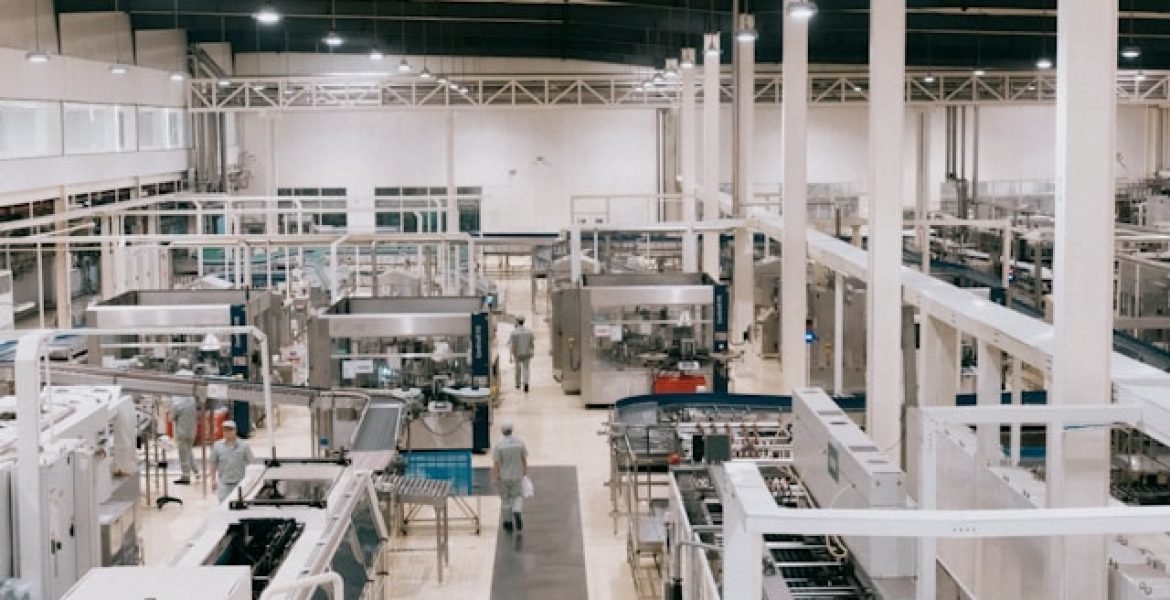
Vietnam has quickly become a global manufacturing powerhouse, attracting businesses looking to diversify supply chains beyond China. Competitive pricing, improving infrastructure, and trade advantages make it highly appealing.
But here’s the uncomfortable truth: not every factory that looks promising on paper is reliable in practice. Many businesses—especially first-time importers—learn this the hard way through delayed shipments, inconsistent quality, or unexpected costs.
Understanding the early warning signs can save you from expensive mistakes. Below are the most critical red flags to watch for when dealing with Vietnamese factories—and how to respond strategically.
🚩 1. Vague or Inconsistent Communication
If a supplier avoids direct answers or keeps changing details, it’s not a cultural misunderstanding—it’s a risk signal.
Warning signs:
- Replies that don’t address your exact questions
- Frequent changes in pricing, specs, or timelines
- Overuse of generic phrases like “no problem” without clarification
Why it matters:
Clear communication reflects operational clarity. If they can’t communicate well, they likely can’t execute well either.
What to do:
Insist on written confirmations, detailed quotations, and documented specifications.
🚩 2. Unrealistically Low Pricing
If one factory’s quote is significantly lower than others, it’s rarely a “lucky deal.”
Possible reasons:
- Hidden costs added later
- Use of substandard materials
- Lack of compliance with regulations
What to do:
Benchmark quotes across multiple suppliers and ask for a cost breakdown. If the price still seems too good, assume there’s a trade-off somewhere.
🚩 3. No Verifiable Business Credentials
A legitimate factory should have a traceable business presence.
Warning signs:
- No business license or registration details
- Inability to provide export history
- No website or a poorly maintained one
What to do:
Request official documents and verify them independently. Consider third-party audits before placing large orders.
🚩 4. Reluctance to Provide Samples
A factory unwilling to provide samples—or providing inconsistent samples—is a major red flag.
Why it matters:
Samples are your first and most important quality checkpoint.
What to do:
Always approve a pre-production sample. Compare it against bulk production later.
🚩 5. No Clear Quality Control Process
Factories that don’t have structured quality systems often rely on “final inspection only,” which is risky.
Warning signs:
- No documented QC procedures
- No mention of in-line inspections
- Resistance to third-party inspections
What to do:
Work only with factories that allow inspections at multiple stages: pre-production, during production, and pre-shipment.
🚩 6. High Pressure for Upfront Payments
While deposits are standard, excessive upfront demands can indicate risk.
Warning signs:
- Requesting 100% payment before production
- Pushing for quick payment without proper documentation
- Refusal to use secure payment methods
What to do:
Stick to standard terms (e.g., 30% deposit, 70% after inspection). Avoid full upfront payments unless there is a long-term trusted relationship.
🚩 7. Frequent Changes in Factory Location or Identity
Some suppliers act as intermediaries posing as factories.
Warning signs:
- Different addresses on documents and emails
- Inconsistent company names
- Hesitation to allow factory visits
What to do:
Confirm whether you are dealing with a trader or an actual manufacturer. Transparency here is critical.
🚩 8. Poor Understanding of Export Requirements
Vietnamese factories vary widely in export experience.
Warning signs:
- Lack of knowledge about packaging, labeling, or compliance standards
- Errors in shipping documents
- No familiarity with your target market regulations
What to do:
Choose factories with proven export experience to your market (e.g., US, EU, India).
🚩 9. Overpromising Lead Times
If a factory promises extremely fast delivery compared to others, be cautious.
Why it’s risky:
- May indicate overcapacity issues later
- Could lead to rushed production and quality problems
What to do:
Ask for a production timeline breakdown and cross-check it with industry norms.
🚩 10. No Long-Term Mindset
Reliable factories think in terms of partnerships, not one-time transactions.
Warning signs:
- Focus only on closing the deal
- Lack of interest in your brand or product goals
- No willingness to improve or adapt
What to do:
Look for suppliers who ask questions, suggest improvements, and show interest in long-term collaboration.
🧠 Final Thoughts: Trust, But Verify
Vietnam offers incredible sourcing opportunities—but success depends on disciplined supplier selection.
The biggest mistake businesses make is assuming that all factories operate at the same standard. They don’t. The gap between a reliable partner and a problematic supplier can be massive—and costly.
A structured due diligence process, combined with on-ground verification and clear communication, is your best defense against these risks.
Share:
newsletter
Subscribe To Our Newsletter
Be ready for the ever-changing world.
Get practical insights on cross-border expansion, market entry strategies, digital growth, and Southeast Asia business trends delivered straight to your inbox.
We help businesses expand confidently across India, Vietnam, and Southeast Asia through market entry consulting, growth marketing, and technology-driven execution.
Information
Contact Us
- 455–455A–457 Hoàng Sa, Phường Võ Thị Sáu, Quận 3,Thành phố Hồ Chí Minh, Việt Nam – 700000
- contact@indoviet.vn
- +84-876761740
- +84-562107246
© 2025 IndoViet Consultants & Commerce Co. Ltd. All rights reserved.