
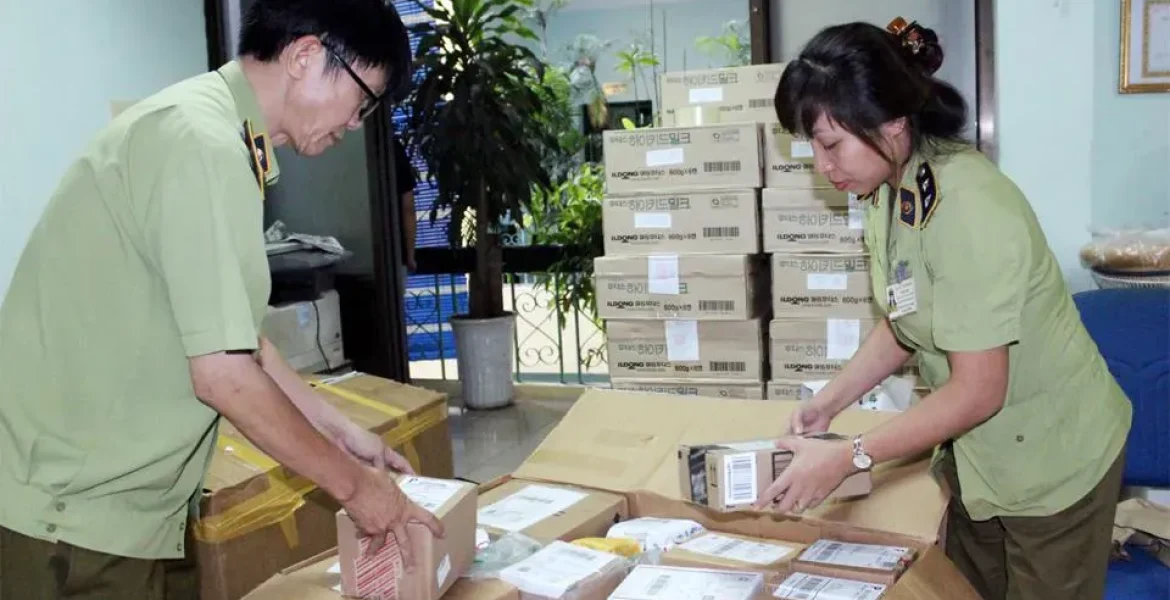
How to Avoid Payment & Quality Fraud in Vietnam Trade Deals
Avoiding Payment & Quality Fraud in Vietnam Trade Deals
In global trade, profit is made on smart decisions—but losses often come from overlooked risks. Vietnam has become a preferred sourcing destination for businesses worldwide, thanks to its competitive manufacturing base and growing export ecosystem. However, alongside these opportunities lies a critical challenge: protecting your business from payment fraud and quality failures.
Many importers don’t lose money because of bad intent alone—they lose it due to weak processes, rushed decisions, and lack of verification. The good news? Most of these risks are preventable with the right approach.
This article outlines practical strategies to help you secure your payments and ensure consistent product quality when dealing with Vietnamese suppliers.
1. Understand the Two Biggest Risks
Before you can prevent fraud, you need to clearly understand it.
Payment Fraud
- Supplier disappears after receiving advance
- Bank details are manipulated or changed fraudulently
- Fake companies posing as legitimate exporters
Quality Fraud
- Bulk production doesn’t match approved samples
- Substandard materials used to cut costs
- Shipment includes defective or incomplete goods
Key insight:
Payment risk and quality risk are interconnected—if you don’t control one, the other becomes harder to manage.
2. Verify the Supplier Before Any Payment
The first rule of safe trade: never rely solely on online presence.
Conduct thorough checks:
- Business license and registration validation
- Export capability verification
- Factory vs. trading company identification
- Physical address confirmation
Whenever possible, arrange:
- On-ground factory audits
- Third-party verification reports
Practical tip:
A genuine supplier will never hesitate to share verifiable documents.
3. Use Secure Payment Structures
Avoid risky payment methods that expose your capital.
Safer options include:
- Letter of Credit (LC) for larger transactions
- Escrow-based payment systems
- Milestone-based payments (advance + balance after inspection)
Avoid:
- 100% advance payments to new suppliers
- Informal transfer methods without documentation
Why this matters:
Payment structure is your first line of financial protection.
4. Lock Specifications Before Production
Many quality issues arise from unclear expectations.
Ensure you have:
- Detailed product specifications
- Material requirements documented
- Approved samples signed off
- Packaging and labeling guidelines defined
Pro tip:
Put everything in writing—verbal agreements don’t hold in disputes.
5. Conduct Pre-Production and During-Production Checks
Don’t wait until shipment to check quality.
Implement:
- Pre-production sample approval
- Raw material verification
- In-line production inspections
Why it works:
Catching issues early is cheaper and easier than fixing them after production.
6. Mandatory Pre-Shipment Inspection
This is one of the most critical steps.
Before releasing final payment:
- Inspect finished goods
- Check quantity, packaging, and labeling
- Conduct random sampling tests
You can use:
- Independent inspection agencies
- Local sourcing partners
Golden rule:
No inspection, no final payment.
7. Watch for Common Red Flags
Stay alert to warning signs such as:
- Sudden change in bank account details
- Pressure to make urgent payments
- Unwillingness to allow inspections
- Inconsistent communication
- Pricing that seems too good to be true
Reality check:
If something feels off, it usually is.
8. Use Strong Contracts
A well-drafted contract reduces ambiguity and protects your rights.
Include:
- Product specifications
- Delivery timelines
- Payment terms
- Penalty clauses for non-compliance
- Dispute resolution mechanism
Tip:
Ensure contracts are legally enforceable in Vietnam or under mutually agreed jurisdictions.
9. Build Long-Term Supplier Relationships
Once you find a reliable supplier:
- Maintain consistent communication
- Increase order volume gradually
- Offer stability in exchange for reliability
Outcome:
Trusted relationships reduce the likelihood of fraud and improve overall quality consistency.
10. Work with Local Experts
If you lack on-ground presence, consider working with:
- Sourcing companies
- Inspection agencies
- Trade consultants
They help:
- Verify suppliers
- Monitor production
- Bridge communication gaps
Why this matters:
Local expertise significantly reduces risk in unfamiliar markets.
Final Thoughts
Fraud in international trade isn’t always dramatic—it often happens quietly through small oversights that accumulate into big losses. Vietnam offers tremendous sourcing potential, but success depends on discipline, verification, and structured processes.
By securing your payment methods, validating suppliers, enforcing quality checks, and staying alert to red flags, you can confidently navigate Vietnam’s trade landscape.
Share:
newsletter
Subscribe To Our Newsletter
Be ready for the ever-changing world.
Get practical insights on cross-border expansion, market entry strategies, digital growth, and Southeast Asia business trends delivered straight to your inbox.
We help businesses expand confidently across India, Vietnam, and Southeast Asia through market entry consulting, growth marketing, and technology-driven execution.
Information
Contact Us
- 455–455A–457 Hoàng Sa, Phường Võ Thị Sáu, Quận 3,Thành phố Hồ Chí Minh, Việt Nam – 700000
- contact@indoviet.vn
- +84-876761740
- +84-562107246
© 2025 IndoViet Consultants & Commerce Co. Ltd. All rights reserved.