
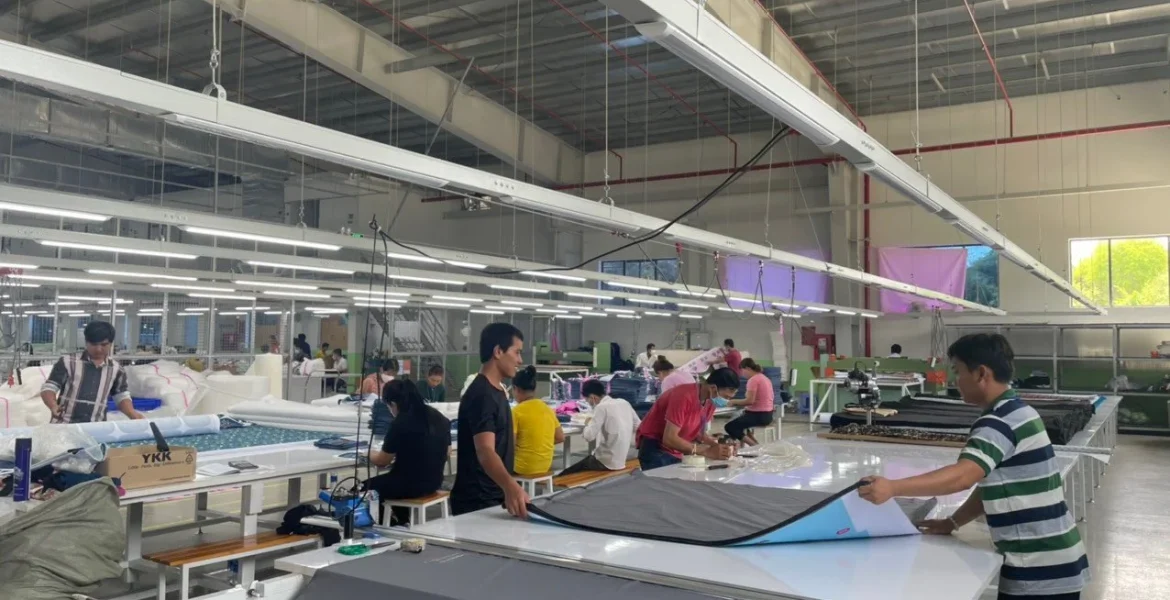
Vietnam Sourcing Made Simple: Choosing the Right Factory for Your Product
How to Shortlist the Right Factory in Vietnam for Your Product
Introduction
Vietnam has quickly become one of the most attractive sourcing destinations in Asia. Competitive costs, improving quality standards, and favorable trade agreements have drawn global buyers across industries.
But there’s a catch: finding suppliers is easy—shortlisting the right factory is not.
With hundreds of options available online and through agents, many buyers end up overwhelmed or, worse, make decisions based on incomplete information. The result? Delays, quality issues, and unexpected costs.
This guide breaks down a practical, step-by-step approach to help you confidently shortlist the right factory in Vietnam for your product.
Step 1: Clearly Define Your Product Requirements
Before evaluating any supplier, get absolute clarity on what you need.
Key elements to define:
- Product specifications (materials, dimensions, finish)
- Quality expectations
- Target price range
- Order quantity (MOQ and scaling potential)
- Packaging requirements
Why it matters:
If your requirements are vague, suppliers will interpret them differently—making comparison impossible. Clear inputs lead to accurate shortlisting.
Step 2: Build a Broad Supplier List (But Don’t Trust It Yet)
Start by identifying multiple potential suppliers through:
- B2B platforms
- Trade directories
- Referrals
- Industry networks
Aim for a long list of 15–30 suppliers initially.
Important:
At this stage, do not assume credibility. This is just data collection.
Step 3: Filter Based on Core Relevance
Now begin narrowing your list using basic but critical filters.
Eliminate suppliers that:
- Don’t specialize in your product category
- Have unclear or generic product portfolios
- Avoid sharing basic company details
- Show inconsistent communication
What to look for instead:
- Product focus (not “everything manufacturer”)
- Relevant export experience
- Clear and structured communication
Goal: Reduce your list to 8–12 serious candidates.
Step 4: Identify Factory vs Trading Company
This is one of the most important filters.
Ask directly:
- Do you own your factory?
- Can you share factory photos/videos?
- Can we arrange a visit or virtual tour?
Watch for red flags:
- Vague answers about production
- Overly broad product range
- Reluctance to show facilities
Why it matters:
Working with an actual factory gives you better control over pricing, quality, and timelines.
Step 5: Evaluate Communication Quality
Good communication is often a strong indicator of a reliable supplier.
Assess:
- Response time
- Clarity of answers
- Understanding of your requirements
- Willingness to ask questions
Red flag:
If a supplier simply says “yes” to everything, they may not fully understand your needs.
Step 6: Request Quotations & Compare Smartly
Ask for detailed quotations from shortlisted suppliers.
Look beyond price:
- Cost breakdown (materials, labor, packaging)
- MOQ flexibility
- Lead times
- Payment terms
Common mistake:
Choosing the lowest price without understanding what’s included.
Tip:
A slightly higher quote from a reliable factory often saves money in the long run.
Step 7: Check Production Capability
A supplier may look good on paper—but can they actually deliver?
Verify:
- Machinery and production lines
- Monthly capacity
- Experience with similar orders
- Ability to scale
Why it matters:
Mismatch between your order size and factory capacity leads to delays or quality compromises.
Step 8: Review Samples Carefully
Samples are your first real test.
Evaluate:
- Product quality vs your expectations
- Consistency across multiple samples
- Packaging and finishing details
Important:
Also assess how the supplier handles feedback and revisions.
Step 9: Conduct Background & Compliance Checks
Before finalizing, validate the supplier’s credibility.
Key checks:
- Business registration
- Export history
- Client references (if available)
- Compliance with labor and safety standards
Why it matters:
This step helps avoid legal, ethical, and operational risks.
Step 10: Shortlist 2–3 Final Factories for Verification
At this stage, narrow your selection to 2–3 top candidates.
If possible:
- Conduct a factory visit
- Arrange third-party inspection
- Validate production setup physically
Final decision should be based on:
- Capability
- Reliability
- Transparency
- Long-term fit
Common Mistakes to Avoid
- Relying only on online profiles
- Ignoring communication quality
- Choosing based purely on price
- Skipping sample evaluation
- Not verifying factory claims
Practical Takeaways
- Start broad, then filter aggressively
- Focus on specialization, not variety
- Always verify factory status
- Prioritize communication and transparency
- Shortlist multiple options before finalizing
Conclusion
Shortlisting the right factory in Vietnam is not about luck—it’s about process.
By following a structured approach, you can move from confusion to clarity and build a supplier base that supports your business growth rather than holding it back.
Share:
newsletter
Subscribe To Our Newsletter
Be ready for the ever-changing world.
Get practical insights on cross-border expansion, market entry strategies, digital growth, and Southeast Asia business trends delivered straight to your inbox.
We help businesses expand confidently across India, Vietnam, and Southeast Asia through market entry consulting, growth marketing, and technology-driven execution.
Information
Contact Us
- 455–455A–457 Hoàng Sa, Phường Võ Thị Sáu, Quận 3,Thành phố Hồ Chí Minh, Việt Nam – 700000
- contact@indoviet.vn
- +84-876761740
- +84-562107246
© 2025 IndoViet Consultants & Commerce Co. Ltd. All rights reserved.