
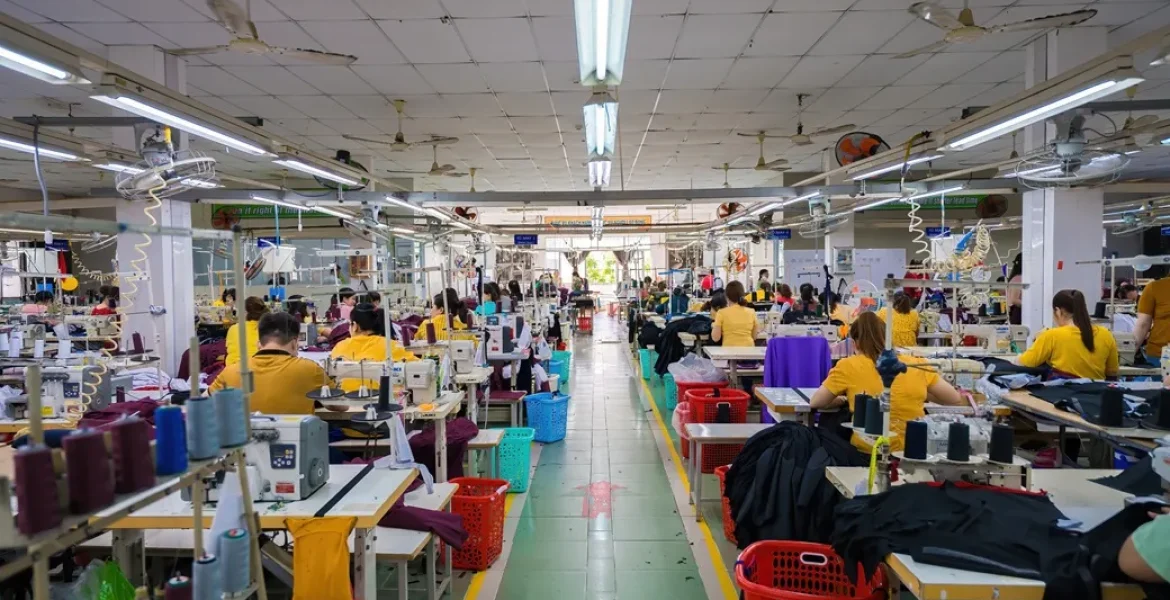
From Order to Delay: The Capacity Mismatch in Vietnam Manufacturing
Production Capacity vs Reality: The Vietnam Factory Gap
Introduction: The Illusion of Scale
At first glance, many Vietnamese factories appear ready to handle large-scale production. Impressive brochures, confident sales teams, and bold claims like “100,000 units per month” create a sense of reliability and scale. For importers and brands looking to diversify away from China, this is exactly what they want to hear.
But once orders are placed, reality often tells a different story.
Missed deadlines, inconsistent quality, subcontracting without disclosure, and sudden communication gaps are common complaints. This disconnect between promised capacity and actual output is what we call the Vietnam Factory Gap—a critical risk that every buyer must understand before committing to production.
What Factories Say vs What They Mean
When a factory states its production capacity, it rarely reflects real-world constraints. Instead, it often represents:
- Peak theoretical output, not consistent monthly production
- Combined capacity across multiple clients, not dedicated capacity for you
- Temporary surge capability, relying on overtime or subcontracting
In practical terms, a factory claiming 50,000 units/month may realistically deliver only 20,000–30,000 units consistently—especially during peak seasons.
Why the Gap Exists
1. Overcommitment to Multiple Buyers
Vietnamese factories, especially small and mid-sized ones, often accept more orders than they can handle. This is driven by:
- Intense competition
- Fear of losing business
- Cash flow pressures
As a result, production lines get stretched thin, and priorities shift frequently.
2. Limited Automation and Labor Dependency
Unlike highly automated manufacturing hubs, many Vietnamese factories rely heavily on manual labor. This leads to:
- Slower scalability
- Variability in output
- Dependence on workforce availability
Labor shortages or seasonal fluctuations can directly impact production timelines.
3. Hidden Subcontracting
To meet ambitious commitments, factories often outsource part of your order to smaller workshops. This introduces:
- Quality inconsistencies
- Lack of visibility
- IP and compliance risks
In many cases, buyers are not informed about this practice.
4. Weak Production Planning Systems
Many factories lack advanced ERP or production planning tools. Instead, they rely on:
- Manual scheduling
- Informal communication
- Reactive decision-making
This creates bottlenecks, especially when handling multiple SKUs or complex orders.
5. Seasonal and Regional Constraints
Vietnam’s manufacturing ecosystem is influenced by:
- Lunar New Year shutdowns
- Weather disruptions
- Regional labor migration
These factors can significantly reduce actual production capacity during certain periods.
The Real Business Impact
The Vietnam Factory Gap isn’t just an operational issue—it directly affects your business performance:
- Delayed product launches
- Stockouts and lost sales
- Increased logistics costs (air freight instead of sea)
- Strained relationships with customers and retailers
For brands selling on platforms like Amazon (especially relevant if you manage inventory cycles), even a 2–3 week delay can impact rankings and revenue.
How to Identify the Real Capacity
1. Ask the Right Questions
Instead of asking “What is your capacity?”, ask:
- What is your current utilization rate?
- How many active clients are you serving?
- What is your average lead time during peak season?
This gives a more realistic picture.
2. Request Production Breakdown
Ask for:
- Number of production lines
- Workers per line
- Output per line per day
Then calculate whether their claims actually add up.
3. Start with a Pilot Order
Never jump into large volumes immediately. A smaller trial order helps you:
- Test actual timelines
- Evaluate quality consistency
- Observe communication responsiveness
4. Conduct Factory Audits (On-Ground or Third-Party)
A physical or third-party audit can reveal:
- Real production activity
- Idle vs active lines
- Dependency on subcontractors
This is one of the most effective ways to bridge the information gap.
5. Cross-Verify with Multiple Suppliers
Engage with multiple factories simultaneously. This helps you:
- Benchmark realistic timelines
- Identify outliers (overpromising suppliers)
- Build backup options
Practical Risk Mitigation Strategies
Diversify Your Supplier Base
Avoid dependency on a single factory. Split production across:
- Primary supplier
- Secondary backup supplier
Build Buffer Time into Planning
Always add a 2–4 week buffer to factory lead times, especially for large orders.
Use Clear Contracts
Include clauses for:
- Delivery timelines
- Penalties for delays
- Restrictions on subcontracting
Maintain Regular Communication
Weekly production updates and milestone tracking can prevent surprises.
Final Thoughts:
Vietnam offers tremendous opportunities as a manufacturing hub, but it requires a different approach compared to more mature ecosystems.
Share:
newsletter
Subscribe To Our Newsletter
Be ready for the ever-changing world.
Get practical insights on cross-border expansion, market entry strategies, digital growth, and Southeast Asia business trends delivered straight to your inbox.

We help businesses expand confidently across India, Vietnam, and Southeast Asia through market entry consulting, growth marketing, and technology-driven execution.
Information
Contact Us
- 455–455A–457 Hoàng Sa, Phường Võ Thị Sáu, Quận 3,Thành phố Hồ Chí Minh, Việt Nam – 700000
- contact@indoviet.vn
- +84-876761740
- +84-562107246
© 2025 IndoViet Consultants & Commerce Co. Ltd. All rights reserved.