
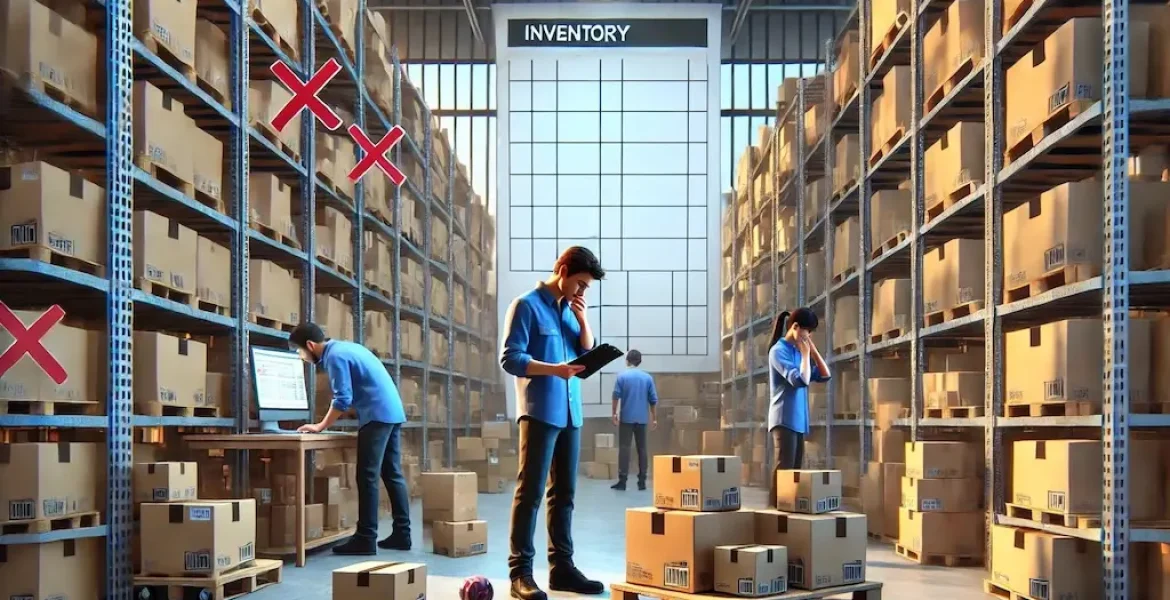
From Sample to Shipment: Where Vietnam Manufacturing Goes Wrong
Why Sample Approval Is Not Enough in Vietnam
A perfect sample can be dangerously misleading.
Many importers feel a sense of relief once they approve a product sample from a Vietnamese supplier. The design looks right, the finish is clean, and the quality meets expectations. At this point, it’s tempting to assume the hardest part is over.
In reality, this is where the real risk begins.
Across Vietnam’s fast-growing manufacturing sector, one of the most common and costly mistakes buyers make is relying too heavily on sample approval as a guarantee of production quality. Unfortunately, what you approve in a sample room often doesn’t reflect what arrives in your warehouse.
Let’s break down why.
The Sample Is a Controlled Environment
Samples are usually produced under ideal conditions:
- Handcrafted or semi-manual processes
- Supervised by senior technicians
- Made using the best available materials
In many cases, factories dedicate extra time and attention to samples because they know this is their chance to win your business.
Mass production, however, operates under very different constraints:
- Time pressure
- Cost optimization
- Workforce variability
The result? A gap between “sample quality” and “production reality.”
Material Substitution Happens More Often Than You Think
One of the biggest risks in Vietnam sourcing is material inconsistency.
Even if the sample uses a specific grade of raw material, factories may substitute it during production to:
- Improve margins
- Deal with supply shortages
- Speed up procurement
Without strict controls, this can lead to:
- Reduced durability
- Color variation
- Performance issues
And the worst part? These changes are often subtle and only noticeable after shipment.
Skill Levels Vary on the Production Line
Your sample might be made by a highly skilled worker or even a supervisor. But mass production is handled by multiple workers with varying skill levels.
This leads to:
- Inconsistent finishing
- Assembly errors
- Quality fluctuations across batches
In Vietnam, where labor turnover can be relatively high in some industries, maintaining consistent craftsmanship is a real challenge unless actively managed.
Scaling Up Introduces New Problems
A product that works perfectly as a single sample may fail when produced in bulk.
Why?
- Machines behave differently at scale
- Process inefficiencies become visible
- Minor tolerances become major defects
For example, a home décor item may look flawless as a sample but develop issues like warping, uneven coating, or misalignment when produced in thousands of units.
Packaging and Logistics Are Often Overlooked
Sample approval usually focuses on the product itself—not packaging.
But during actual shipments:
- Packaging quality may be downgraded
- Protective measures may be insufficient
- Handling during transit may not be tested
This results in products arriving damaged despite being perfectly manufactured.
Lack of Documentation and Standards
A sample without clear documentation is just a reference—not a standard.
Many buyers fail to:
- Define exact specifications
- Lock approved materials and components
- Establish acceptable quality limits (AQL)
Without these, factories have room to interpret requirements differently during production.
What Smart Buyers Do Instead
Experienced importers treat sample approval as just one step in a larger quality control process.
Here’s what they do differently:
1. Create Detailed Product Specifications
Document everything:
- Materials
- Dimensions
- Finishes
- Tolerances
This reduces ambiguity.
2. Approve a “Golden Sample”
Keep a sealed, signed reference sample that represents the exact approved standard. This becomes the benchmark for inspections.
3. Conduct Pre-Production Checks
Before mass production starts:
- Verify raw materials
- Confirm production processes
- Align expectations with the factory
4. Perform In-Line Inspections
Don’t wait until production is complete. Inspect during manufacturing to catch issues early.
5. Do Final Random Inspections (FRI)
Before shipment:
- Check product quality
- Verify packaging
- Ensure consistency across batches
6. Build Strong Supplier Relationships
Factories are more likely to maintain standards when:
- Communication is clear
- Expectations are consistent
- Accountability is enforced
Final Thoughts
Sample approval is important—but it’s far from sufficient.
In Vietnam’s dynamic manufacturing landscape, relying on samples alone is like judging a movie by its trailer. It shows potential, not the final outcome.
The real key to success lies in process control, clear documentation, and consistent verification.
If you approach sourcing with this mindset, you won’t just avoid costly surprises—you’ll build a reliable, scalable supply chain that supports long-term growth.
Share:
newsletter
Subscribe To Our Newsletter
Be ready for the ever-changing world.
Get practical insights on cross-border expansion, market entry strategies, digital growth, and Southeast Asia business trends delivered straight to your inbox.
We help businesses expand confidently across India, Vietnam, and Southeast Asia through market entry consulting, growth marketing, and technology-driven execution.
Information
Contact Us
- 455–455A–457 Hoàng Sa, Phường Võ Thị Sáu, Quận 3,Thành phố Hồ Chí Minh, Việt Nam – 700000
- contact@indoviet.vn
- +84-876761740
- +84-562107246
© 2025 IndoViet Consultants & Commerce Co. Ltd. All rights reserved.