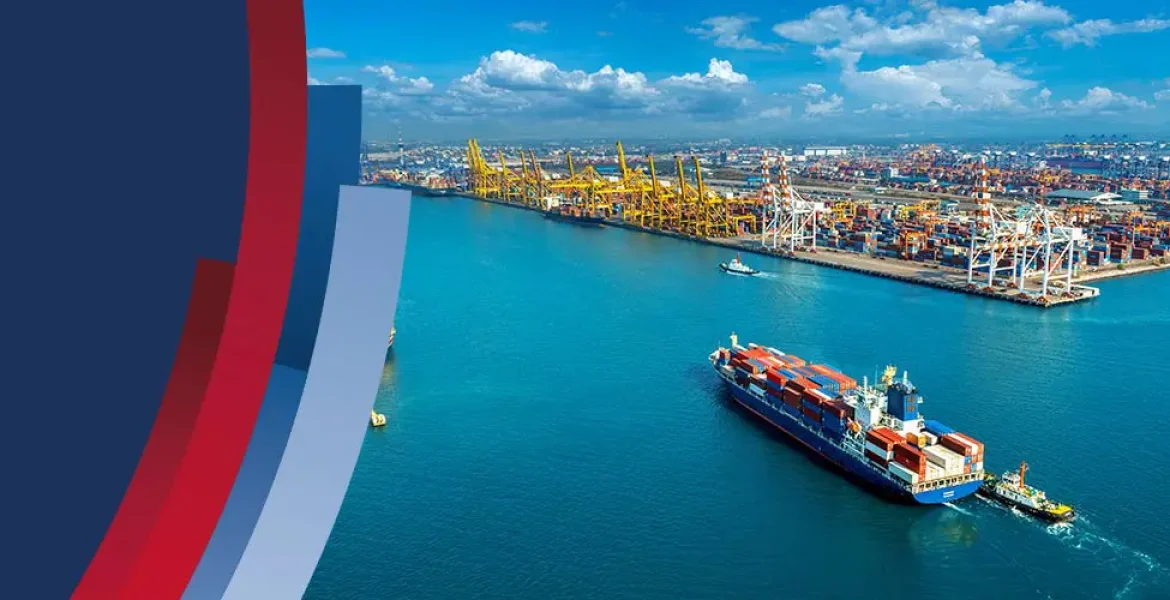
Which Incoterm Should Indian Importers Choose in Vietnam Trade?
FOB vs CIF vs DDP in Vietnam Trade: What You Should Choose
One of the most common mistakes new importers make when sourcing from Vietnam is focusing only on product pricing while ignoring shipping terms.
A supplier may offer an attractive quotation, but if the trade terms are misunderstood, the importer can end up paying unexpected logistics charges, customs costs, port fees, or even face shipment delays.
This is where Incoterms become critically important.
Terms like FOB, CIF, and DDP define who is responsible for shipping, insurance, customs clearance, duties, and delivery costs during international trade transactions.
For Indian importers sourcing from Vietnam, choosing the right shipping term can directly affect:
- Total landed cost
- Shipment control
- Customs risk
- Delivery timelines
- Profit margins
This article explains FOB, CIF, and DDP in simple language and helps importers understand which option works best in different sourcing situations.
What Are Incoterms?
Incoterms, or International Commercial Terms, are globally accepted trade rules published by the International Chamber of Commerce (ICC).
They define:
- Who pays for transportation
- Who handles customs procedures
- Where responsibility transfers from seller to buyer
- Who carries shipping risk at each stage
In Vietnam trade, the three most commonly used terms are:
- FOB (Free On Board)
- CIF (Cost, Insurance & Freight)
- DDP (Delivered Duty Paid)
Understanding the differences between them is essential before placing international orders.
FOB (Free On Board) Explained
Under FOB terms, the Vietnamese supplier is responsible for:
- Manufacturing the goods
- Packaging
- Export customs clearance
- Delivering the shipment to the Vietnam port
- Loading the goods onto the vessel
Once the goods are loaded onto the ship, responsibility transfers to the buyer.
The importer then handles:
- Ocean freight
- Insurance
- Import customs clearance
- Duties and taxes
- Local transportation
Why FOB Is Popular Among Experienced Importers
FOB gives buyers greater control over logistics and shipping costs.
Advantages include:
Better Freight Control
Importers can choose their own freight forwarder and negotiate competitive shipping rates.
Greater Transparency
FOB reduces the risk of hidden logistics markups from suppliers.
More Shipping Flexibility
Buyers can coordinate shipments from multiple factories into one container if needed.
Easier Cost Management
Experienced importers can better estimate total landed costs.
Risks of FOB
FOB also requires buyers to manage more logistics responsibilities.
Challenges include:
- Coordinating freight bookings
- Managing shipping documents
- Handling customs clearance
- Working with freight agents
For new importers without logistics experience, FOB can initially feel complicated.
CIF (Cost, Insurance & Freight) Explained
Under CIF terms, the supplier handles:
- Manufacturing
- Export clearance
- Ocean freight
- Basic marine insurance
The supplier arranges shipment to the destination port selected by the buyer.
However, once the goods arrive at the destination port, the buyer becomes responsible for:
- Import customs clearance
- Import duties
- Port charges
- Local delivery
Why Some Importers Prefer CIF
CIF is popular among buyers who want a simpler shipping process.
Advantages include:
Easier Coordination
The supplier manages freight arrangements directly.
Less Operational Work
Importers do not need to organize shipping from Vietnam.
Helpful for Smaller Buyers
Smaller importers without freight partnerships often use CIF during early sourcing stages.
Risks of CIF
While CIF looks convenient, it sometimes hides additional costs.
Common issues include:
Hidden Destination Charges
Some suppliers select low freight rates but partner with agents who charge high destination handling fees later.
Limited Freight Visibility
Importers often have less control over shipment timing and routing.
Basic Insurance Coverage
The included insurance may provide only minimal protection.
Reduced Logistics Control
Importers cannot always select preferred shipping lines or schedules.
DDP (Delivered Duty Paid) Explained
DDP is the most supplier-controlled shipping model.
Under DDP terms, the supplier handles nearly everything:
- Manufacturing
- Export clearance
- Freight
- Insurance
- Import customs clearance
- Import duties
- Final delivery
The goods are delivered directly to the buyer’s location.
From the importer’s perspective, DDP offers a “door-to-door” solution.
Why DDP Looks Attractive
DDP appears simple and convenient, especially for first-time importers.
Advantages include:
Minimal Operational Work
The supplier manages the entire shipping process.
Easier Cost Forecasting
Importers receive a combined landed cost quotation.
Simplified Logistics
There is less coordination required from the buyer side.
Risks of DDP in Vietnam Trade
Although DDP seems convenient, it also carries important risks.
Limited Customs Visibility
Importers may not fully understand how customs declarations are handled.
Compliance Risks
Improper declarations or undervaluation practices can create legal or tax complications later.
Hidden Charges Inside Pricing
Some suppliers inflate DDP pricing significantly.
Dependency on Supplier Logistics
Importers lose control over freight management and customs processes.
Difficulty During Customs Problems
If shipment issues arise, the importer may have limited direct access to shipping information.
FOB vs CIF vs DDP: Quick Comparison
| Factor | FOB | CIF | DDP |
|---|---|---|---|
| Freight Control | High | Medium | Low |
| Supplier Responsibility | Moderate | High | Very High |
| Buyer Logistics Work | High | Medium | Very Low |
| Customs Control | High | Medium | Low |
| Pricing Transparency | Strong | Moderate | Lower |
| Best for Experienced Importers | Yes | Sometimes | Rarely |
| Best for Beginners | Moderate | Yes | Sometimes |
Which Shipping Term Is Best for Indian Importers?
The answer depends on experience level, shipment size, and logistics capability.
When FOB Is the Best Choice
FOB is usually ideal when:
- You import regularly
- You work with trusted freight forwarders
- You want logistics control
- You want better freight cost visibility
- You consolidate shipments from multiple suppliers
Many experienced Indian importers eventually shift toward FOB because it offers stronger long-term cost control.
When CIF Makes Sense
CIF works well when:
- You are new to importing
- Shipment volumes are small
- You do not yet have freight partners
- You want simplified shipping coordination
However, buyers should carefully review destination charges before agreeing to CIF pricing.
When DDP Can Be Useful
DDP may work in specific situations such as:
- Small trial orders
- E-commerce shipments
- Sample shipments
- Buyers with no import infrastructure
But for larger commercial imports, relying fully on supplier-controlled DDP can reduce visibility and increase compliance risk.
Common Mistakes Importers Make
Choosing Based Only on Price
The cheapest quote may not include all actual costs.
Always calculate total landed cost.
Ignoring Destination Charges
Port handling fees and customs charges can significantly impact profitability.
Assuming All DDP Services Are Legal and Transparent
Some suppliers use questionable customs practices to reduce duties.
This can create future regulatory risks for importers.
Not Verifying Insurance Coverage
Basic insurance under CIF may not fully protect high-value shipments.
Practical Advice for Vietnam Importers
Work With a Reliable Freight Forwarder
A good freight partner helps manage:
- Shipping schedules
- Customs clearance
- Documentation
- Cost optimization
Understand Your Import Responsibilities
Even under CIF or DDP, buyers should still understand customs requirements and shipment documentation.
Request Cost Breakdowns
Always ask suppliers to separate:
- Product cost
- Freight cost
- Insurance
- Duties
- Local handling fees
Start Simple, Then Build Control
Many new importers begin with CIF but later transition to FOB as their sourcing experience grows.
Final Thoughts
Choosing between FOB, CIF, and DDP is not just a logistics decision — it is a strategic business decision.
Each shipping term affects:
- Profitability
- Risk exposure
- Operational control
- Customs compliance
- Supply chain visibility
Share:
newsletter
Subscribe To Our Newsletter
Be ready for the ever-changing world.
Get practical insights on cross-border expansion, market entry strategies, digital growth, and Southeast Asia business trends delivered straight to your inbox.
We help businesses expand confidently across India, Vietnam, and Southeast Asia through market entry consulting, growth marketing, and technology-driven execution.
Information
Contact Us
- 455–455A–457 Hoàng Sa, Phường Võ Thị Sáu, Quận 3,Thành phố Hồ Chí Minh, Việt Nam – 700000
- contact@indoviet.vn
- +84-876761740
- +84-562107246
© 2025 IndoViet Consultants & Commerce Co. Ltd. All rights reserved.