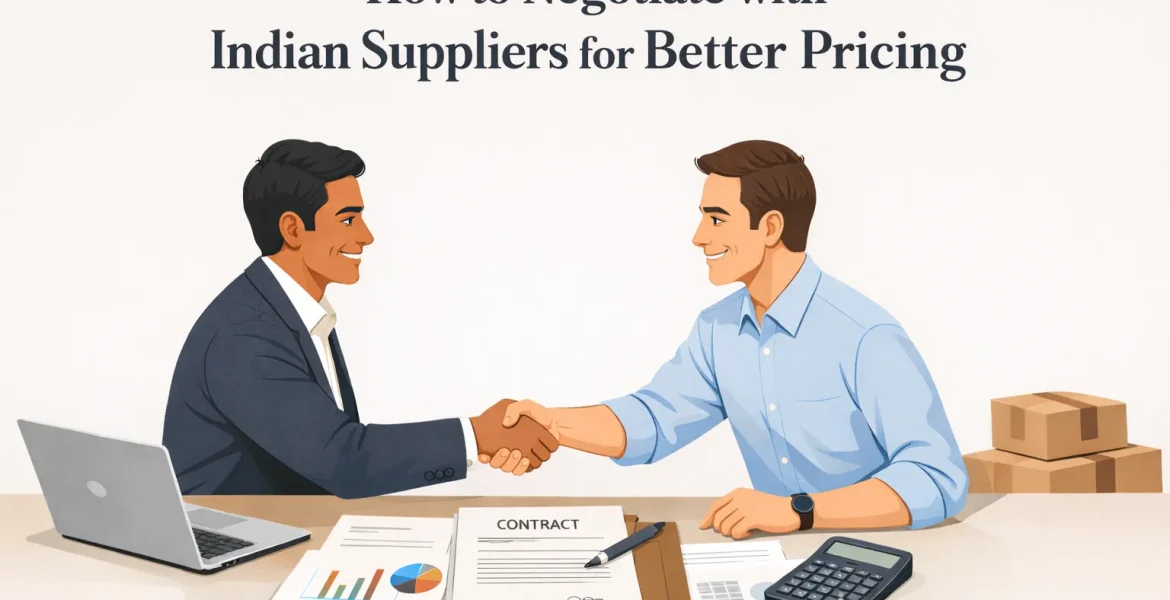
How IndoViet Balances Better Pricing with Strong Supplier Relationships
How IndoViet Optimizes Pricing Without Killing Supplier Relationships
In international sourcing, many buyers believe success comes from negotiating the lowest possible price. They pressure factories aggressively, compare suppliers endlessly, and push for discounts at every stage of production.
At first glance, this may seem like smart business.
But in reality, extreme price pressure often creates hidden problems — declining product quality, delayed shipments, weak communication, reduced supplier priority, and damaged long-term relationships.
Experienced sourcing companies understand a simple truth: sustainable profitability does not come from squeezing suppliers to the limit. It comes from building efficient, balanced, and long-term partnerships.
This is the approach IndoViet follows when helping businesses source products from Vietnam.
Rather than focusing only on “cheap pricing,” IndoViet works on optimizing total sourcing costs while maintaining healthy supplier relationships that support quality, reliability, and long-term growth.
Why Supplier Relationships Matter More Than Most Buyers Realize
Factories are not just vendors. They are operational partners in your supply chain.
When suppliers trust a buyer, they are more likely to:
- Prioritize production schedules
- Offer stable pricing during market fluctuations
- Improve quality consistency
- Share manufacturing insights
- Solve problems faster
- Support urgent orders
On the other hand, suppliers who feel constantly pressured may:
- Cut corners quietly
- Reduce quality control attention
- Delay communication
- Pass hidden costs elsewhere
- Prioritize other customers
In Vietnam especially, business culture places strong importance on relationship-building, respect, and long-term cooperation.
IndoViet understands that successful sourcing depends as much on relationship management as it does on negotiation skill.
IndoViet’s Philosophy: Optimize, Don’t Exploit
Many sourcing failures happen because buyers focus only on unit price instead of overall business efficiency.
IndoViet takes a different approach.
The goal is not to force suppliers into unsustainable pricing. The goal is to create a cost structure where:
- Buyers remain competitive
- Suppliers remain profitable
- Product quality stays consistent
- Long-term cooperation becomes possible
This creates stability for both sides.
How IndoViet Optimizes Pricing Strategically
1. Understanding the Supplier’s Real Cost Structure
Before negotiating pricing, IndoViet first studies:
- Raw material costs
- Labor costs
- Packaging expenses
- Production complexity
- Factory capacity utilization
- Export overheads
This prevents unrealistic negotiations.
For example, if raw material prices have increased globally, demanding sharp price cuts may simply push factories toward lower-quality substitutions.
Instead of making emotional pricing demands, IndoViet focuses on data-driven discussions.
2. Negotiating Volume Efficiency Instead of Blind Discounts
One of the smartest ways to reduce costs is through operational efficiency.
IndoViet often helps buyers optimize:
- Order quantities
- Packaging sizes
- Product standardization
- Production scheduling
For example:
- Larger production runs reduce setup costs
- Standard packaging lowers material waste
- Consolidated orders improve freight efficiency
This allows factories to reduce costs naturally without damaging margins.
As a result, buyers receive better pricing while suppliers maintain healthy profitability.
3. Reducing Waste Across the Supply Chain
In many sourcing projects, unnecessary costs exist outside the factory price itself.
IndoViet focuses on identifying inefficiencies such as:
- Excessive packaging
- Inefficient logistics routing
- Production delays
- Rework from unclear specifications
- Quality failures
- Last-minute shipment changes
By reducing operational waste, total sourcing costs decrease without aggressive supplier pressure.
This is often far more effective than demanding small unit-price reductions.
4. Building Long-Term Supplier Partnerships
Suppliers offer their best cooperation to buyers they trust.
IndoViet invests time in:
- Transparent communication
- Fair negotiation practices
- Consistent order planning
- Respectful relationship management
Factories are more willing to:
- Offer priority production slots
- Share cost-saving suggestions
- Absorb temporary market fluctuations
- Provide better payment flexibility
when they see long-term business potential.
Strong supplier relationships become a strategic advantage over time.
5. Creating Clear Product Specifications
Many pricing disputes happen because product requirements are unclear.
When specifications change repeatedly, factories face:
- Production disruption
- Material waste
- Delays
- Increased labor costs
IndoViet minimizes this by ensuring:
- Detailed product specifications
- Approved samples
- Clear packaging instructions
- Defined quality expectations
Clear communication reduces hidden costs and prevents misunderstandings.
6. Timing Orders Strategically
Production timing has a major impact on pricing.
Factories experience seasonal demand fluctuations, especially around:
- Chinese New Year periods
- Peak export seasons
- Global retail cycles
IndoViet helps buyers place orders during more stable production periods whenever possible.
This often improves:
- Pricing
- Lead times
- Production flexibility
without creating supplier stress.
7. Avoiding the “Cheapest Supplier” Trap
The lowest quotation is not always the lowest real cost.
Cheap suppliers often create hidden risks such as:
- Quality inconsistency
- Shipment delays
- Compliance problems
- Poor communication
- Factory instability
IndoViet evaluates suppliers based on:
- Reliability
- Production capability
- Financial stability
- Quality systems
- Export experience
A slightly higher factory price from a dependable supplier may generate far better long-term profitability.
8. Protecting Supplier Margins During Market Volatility
Global markets are unpredictable.
Raw material costs, freight rates, labor expenses, and currency exchange rates can change quickly.
IndoViet understands that forcing suppliers into unrealistic pricing during volatile periods may damage relationships permanently.
Instead, the company works toward:
- Shared risk management
- Flexible planning
- Long-term stability
This collaborative approach helps maintain supply chain continuity during uncertain market conditions.
The Real Business Advantage of Balanced Negotiation
When supplier relationships remain healthy, buyers gain advantages that are difficult to measure immediately but extremely valuable over time.
These include:
- Faster problem resolution
- Better production transparency
- Early access to new manufacturing capacity
- Improved consistency
- Lower operational stress
- Reduced supply chain disruptions
In global trade, reliability is often more profitable than aggressive short-term savings.
Common Mistakes Buyers Make During Negotiation
Focusing Only on Unit Price
A low product price means little if:
- Defect rates increase
- Deliveries are delayed
- Rework costs rise
Changing Specifications Repeatedly
Frequent changes create confusion and increase factory costs.
Unrealistic Payment Demands
Overly aggressive payment terms may hurt supplier cash flow and damage trust.
Comparing Factories Purely on Price
Different factories offer different:
- Quality standards
- Technical expertise
- Production reliability
- Compliance capabilities
Pricing alone never tells the full story.
Why This Approach Works Particularly Well in Vietnam
Vietnam’s manufacturing sector is highly relationship-driven.
Factories often value:
- Mutual respect
- Long-term cooperation
- Stable partnerships
- Clear communication
Buyers who negotiate aggressively without understanding local business culture may struggle to build dependable supply chains.
IndoViet’s balanced sourcing model aligns more naturally with how Vietnamese manufacturers prefer to operate.
This creates stronger cooperation and more sustainable sourcing outcomes.
Final Thoughts
Cost optimization in international sourcing is not about forcing suppliers into the lowest possible price. It is about improving efficiency, reducing waste, managing risk, and building partnerships that support long-term business growth.
IndoViet’s sourcing strategy reflects a more mature and sustainable approach to Vietnam manufacturing. By balancing pricing goals with supplier relationship management, the company helps importers achieve stronger profitability without sacrificing reliability or product quality.
In today’s global supply chain environment, businesses that build stable supplier partnerships often outperform those focused only on short-term price reductions.
Because in international trade, the strongest supply chains are built on trust as much as they are built on numbers.
Share:
newsletter
Subscribe To Our Newsletter
Be ready for the ever-changing world.
Get practical insights on cross-border expansion, market entry strategies, digital growth, and Southeast Asia business trends delivered straight to your inbox.
We help businesses expand confidently across India, Vietnam, and Southeast Asia through market entry consulting, growth marketing, and technology-driven execution.
Information
Contact Us
- 455–455A–457 Hoàng Sa, Phường Võ Thị Sáu, Quận 3,Thành phố Hồ Chí Minh, Việt Nam – 700000
- contact@indoviet.vn
- +84-876761740
- +84-562107246
© 2025 IndoViet Consultants & Commerce Co. Ltd. All rights reserved.