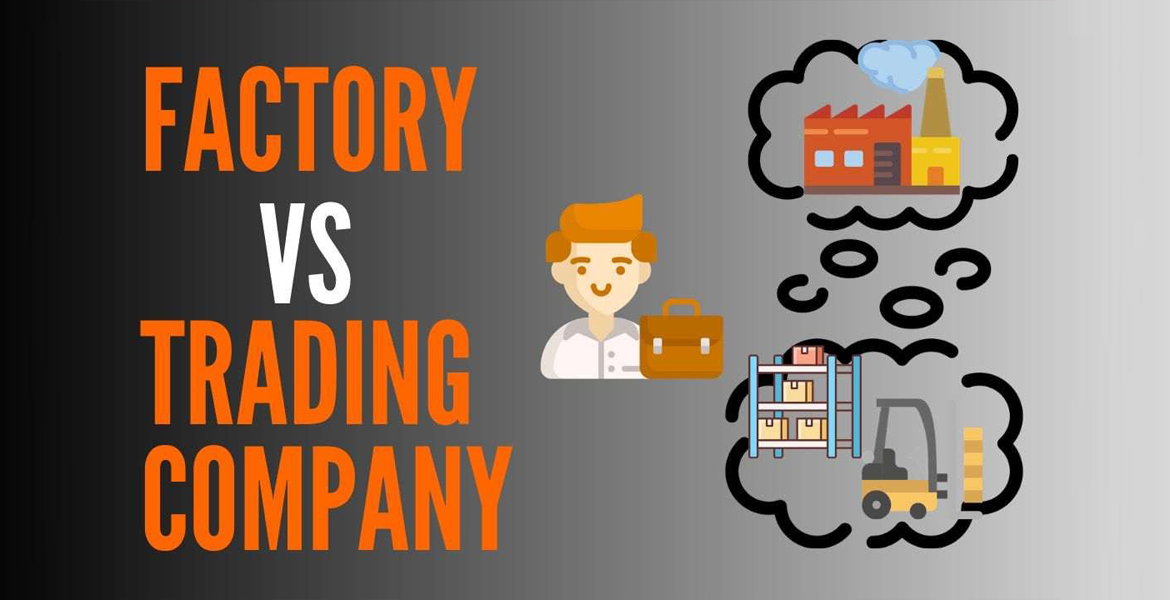
Factory or Trading Company in Vietnam: A Buyer’s Due Diligence Guide
The Costly Mistake Many Importers Make—Without Realizing It
You think you’re negotiating directly with a factory in Vietnam. The pricing seems reasonable, the salesperson is responsive, and the catalog looks impressive. But months later, quality issues arise, lead times slip, and suddenly accountability feels… blurry. Only then do you discover the truth: you were dealing with a trading company, not a factory.
In Vietnam’s fast-growing manufacturing ecosystem, the line between factories and trading companies is often deliberately blurred. For importers, distributors, and brand owners, failing to identify who you’re really working with can mean higher costs, weaker control, and unnecessary risk. Understanding the difference—and knowing how to verify it—is essential for successful sourcing in Vietnam.
Understanding the Fundamental Difference
What Is a Factory?
A factory is a manufacturing entity that owns or operates production facilities. It employs production workers, maintains machinery, controls manufacturing processes, and is directly responsible for output quality, timelines, and compliance.
Key characteristics of factories:
Physical production facility and equipment
Direct control over materials, processes, and labor
Usually specialized in a narrower product range
Better suited for long-term, high-volume partnerships
What Is a Trading Company?
A trading company acts as an intermediary. It does not manufacture goods itself but sources products from one or more factories, consolidates orders, manages documentation, and handles communication.
Key characteristics of trading companies:
No production facility
Flexible product range across multiple categories
Strong sales, communication, and export handling capabilities
Ideal for small orders or multi-product sourcing
Neither model is inherently “bad.” The risk arises when a trading company presents itself as a factory—or when buyers assume factory-direct access without verification.
Why This Distinction Matters
Misidentifying a supplier can affect your business in several ways:
Pricing: Trading companies add margins. If you believe you’re negotiating factory-direct pricing, you may overpay.
Quality Control: Factories offer clearer accountability. Trading companies rely on third-party factories, which can complicate quality enforcement.
Lead Times: Extra layers increase the risk of miscommunication and delays.
IP Protection: Sensitive designs and molds are safer with direct factory relationships.
Scalability: Long-term production planning is easier with manufacturers than intermediaries.
Practical Ways to Identify Whether You’re Dealing with a Factory or Trading Company
1. Check the Business License
Vietnamese business licenses clearly state the company’s registered business scope. Look for terms related to manufacturing or production. If the scope focuses on “trading,” “import-export,” or “commercial services,” it’s likely a trading company.
Ask directly for a copy of the license—legitimate suppliers won’t hesitate.
2. Ask Detailed Production Questions
Factories can answer technical questions confidently:
What machines are used in production?
What is the monthly output capacity?
How many production workers are on staff?
What quality checks are done in-line vs final inspection?
Trading companies often provide vague or delayed responses, as they need to confirm details with third-party factories.
3. Request a Factory Visit (Virtual or Physical)
A true factory can easily arrange:
Live video tours of production lines
Photos showing machinery, workers, and warehouses
On-site audits or third-party inspections
Be cautious if:
Only office spaces are shown
Production photos look generic or staged
Visits are consistently postponed
4. Analyze the Product Range
Factories usually specialize. A supplier offering steel furniture, plastic toys, garments, electronics, and packaging under one roof is almost certainly a trading company.
Specialization signals manufacturing depth; excessive variety suggests aggregation.
5. Evaluate Pricing Structure
If pricing fluctuates significantly between orders or lacks transparency on cost drivers (materials, labor, tooling), this may indicate intermediary markups.
Factories can typically explain why prices change. Trading companies often cannot—or won’t.
6. Review Communication Flow
Ask who handles:
Production scheduling
Quality issues
Engineering changes
If every answer requires “checking with the factory,” you’re not speaking to one.
When Working with a Trading Company Makes Sense
Despite the risks, trading companies can be the right choice in certain scenarios:
You need small MOQs
You’re sourcing multiple product categories
You want simplified logistics and documentation
You’re testing the market before scaling
The key is transparency. Problems arise not from using trading companies, but from not knowing you are.
Best Practices for Risk-Free Sourcing in Vietnam
Always verify the supplier type before placing orders
Match the supplier model to your sourcing strategy
Use third-party factory audits and inspections
Separate commercial negotiation from technical validation
Document responsibilities clearly in contracts
Successful sourcing in Vietnam isn’t about choosing factories over trading companies—it’s about choosing the right partner for the right purpose.
Final Thoughts
Vietnam remains one of the world’s most attractive sourcing destinations, but it rewards buyers who do their homework. Knowing whether you’re dealing with a factory or a trading company isn’t a minor detail—it’s a strategic decision that affects cost, quality, and long-term success.
Ask the right questions, verify the facts, and build partnerships based on clarity—not assumptions.
Share:
newsletter
Subscribe To Our Newsletter
Be ready for the ever-changing world.
Get practical insights on cross-border expansion, market entry strategies, digital growth, and Southeast Asia business trends delivered straight to your inbox.
We help businesses expand confidently across India, Vietnam, and Southeast Asia through market entry consulting, growth marketing, and technology-driven execution.
Information
Contact Us
- 455–455A–457 Hoàng Sa, Phường Võ Thị Sáu, Quận 3,Thành phố Hồ Chí Minh, Việt Nam – 700000
- contact@indoviet.vn
- +84-921025002
© 2025 IndoViet Consultants & Commerce Co. Ltd. All rights reserved.