
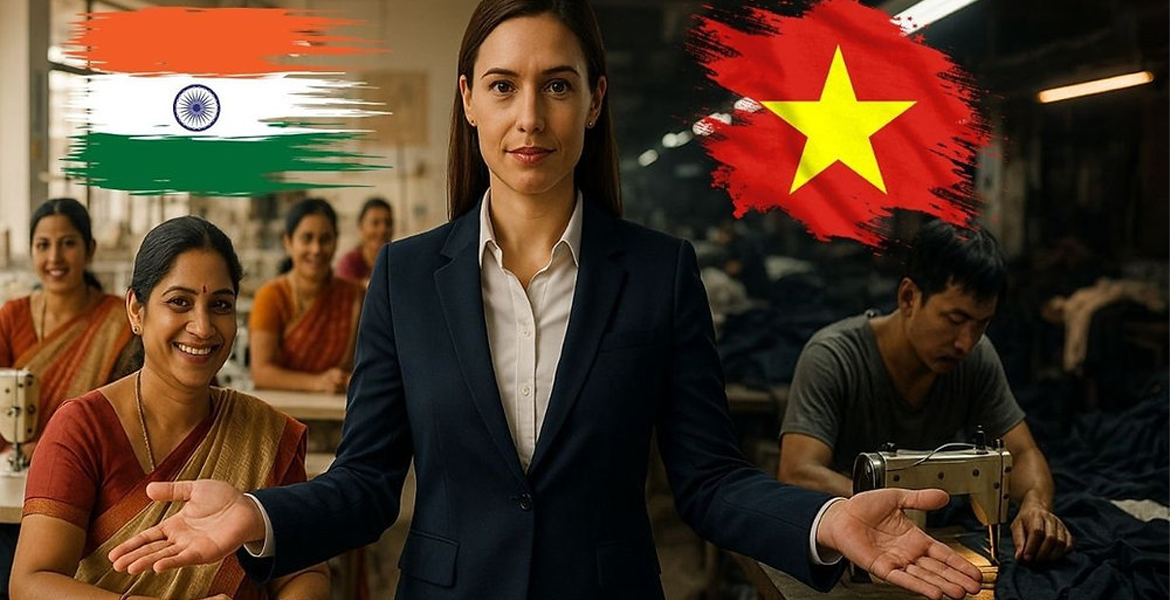
How Smart Buyers Really Win on Factory Pricing in Vietnam
The first mistake many international buyers make in Vietnam is assuming that price negotiations work the same way they do everywhere else. They don’t. In Vietnam, factory pricing is rarely just about numbers on a spreadsheet—it’s about relationships, respect, timing, and an unspoken cultural logic that can either unlock long-term value or quietly shut doors.
Vietnam has become one of the world’s most attractive manufacturing hubs, especially as companies diversify supply chains beyond China. Competitive labor costs, improving infrastructure, and strong export capabilities make it an obvious choice. Yet buyers who approach Vietnamese factories with aggressive, purely transactional negotiation tactics often leave money—and opportunity—on the table. Understanding the cultural realities behind pricing is not optional; it is a strategic necessity.
Price Is a Conversation, Not a Confrontation
In Vietnam, negotiation is viewed as a process, not a battle. Open confrontation, hard ultimatums, or an overly aggressive stance can cause a supplier to disengage without ever saying “no.” Saving face—both yours and theirs—is deeply ingrained in business culture.
Factories expect negotiation, but they also expect it to be respectful. A buyer who pushes too hard too early may receive a lower price initially, only to face quality issues, production delays, or lack of priority later. In contrast, buyers who signal long-term intent and mutual benefit often receive better pricing over time, even if the first quote doesn’t move much.
Relationships Come Before Discounts
Vietnamese suppliers place significant value on trust and continuity. Pricing improves as the relationship matures, not simply because volume increases, but because risk decreases for the factory. A buyer who understands this will focus first on credibility: clear specifications, realistic forecasts, timely payments, and consistent communication.
Factories are far more willing to sharpen pricing for partners they believe will grow with them. One-off buyers, or those constantly shopping for the lowest quote, are typically quoted conservatively. In Vietnam, loyalty has economic value.
The First Quote Is Rarely the Real Price
Initial pricing from Vietnamese factories often includes buffers—for uncertainty, small order quantities, unfamiliar buyers, or volatile input costs. Many buyers assume this is a sign of inflexibility. In reality, it is an invitation to dialogue.
Rather than demanding immediate reductions, skilled negotiators ask smart questions:
What cost drivers are most significant?
How does volume affect pricing tiers?
What efficiencies could be gained over multiple orders?
This approach signals professionalism and encourages the supplier to collaboratively identify areas where pricing can be improved without undermining quality or margins.
Cultural Communication: What Is Not Said Matters
Vietnamese business communication tends to be indirect. A polite “yes” may simply mean “I hear you,” not “I agree.” Silence may indicate discomfort rather than approval. During pricing discussions, this nuance is critical.
If a factory avoids responding directly to a pricing request, it may mean the price is already near their threshold. Pushing harder at that point can create resistance. Reading tone, pacing, and non-verbal cues—especially during in-person meetings—often reveals more than words.
Experienced buyers learn to pause, reframe, or shift the discussion toward future collaboration instead of forcing immediate concessions.
Timing Is a Strategic Advantage
When you negotiate matters as much as how you negotiate. Vietnamese factories operate on tight production calendars, especially during peak export seasons. Negotiating pricing when capacity is full leaves little room for flexibility.
The best time to negotiate is during slower periods or before finalizing annual production plans. Factories are more open to pricing discussions when they are planning utilization, not scrambling to meet deadlines. Understanding the local business cycle gives buyers leverage without pressure.
Respecting Margins Protects Quality
One of the most costly mistakes in Vietnam sourcing is negotiating prices below sustainable factory margins. While a supplier may agree verbally, the impact often appears later—in substituted materials, reduced quality control, or delayed shipments.
Vietnamese factories value harmony and may avoid direct confrontation, choosing instead to “make it work” quietly. Savvy buyers recognize that fair pricing is a form of risk management. Protecting the supplier’s ability to deliver consistently protects your own supply chain.
Local Presence Changes the Equation
Negotiations conducted entirely by email tend to remain rigid. Face-to-face meetings—or at least working through a trusted local representative—dramatically change outcomes. In-person discussions humanize the relationship and allow for deeper trust building.
Buyers with a local presence are often perceived as more serious and committed. This perception alone can lead to better pricing, faster responsiveness, and greater transparency around costs.
Long-Term Thinking Wins in Vietnam
Vietnamese factories think in years, not transactions. Buyers who frame negotiations around shared growth—future volumes, product expansions, or process improvements—create alignment. Price becomes part of a larger partnership discussion rather than a zero-sum game.
The most successful negotiators in Vietnam don’t aim to “win” the deal. They aim to become a preferred customer.
Final Thoughts
Negotiating factory pricing in Vietnam requires cultural intelligence as much as commercial skill. The lowest price is rarely the best outcome, and aggressive tactics often carry hidden costs. Buyers who approach negotiations with respect, patience, and long-term intent consistently achieve better results—on price, quality, and reliability.
Vietnam rewards those who understand that business is personal, trust is earned, and value is built over time. Master that mindset, and pricing negotiations become not a hurdle, but a strategic advantage.
Share:
newsletter
Subscribe To Our Newsletter
Be ready for the ever-changing world.
Get practical insights on cross-border expansion, market entry strategies, digital growth, and Southeast Asia business trends delivered straight to your inbox.
We help businesses expand confidently across India, Vietnam, and Southeast Asia through market entry consulting, growth marketing, and technology-driven execution.
Information
Contact Us
- 455–455A–457 Hoàng Sa, Phường Võ Thị Sáu, Quận 3,Thành phố Hồ Chí Minh, Việt Nam – 700000
- contact@indoviet.vn
- +84-921025002
© 2025 IndoViet Consultants & Commerce Co. Ltd. All rights reserved.