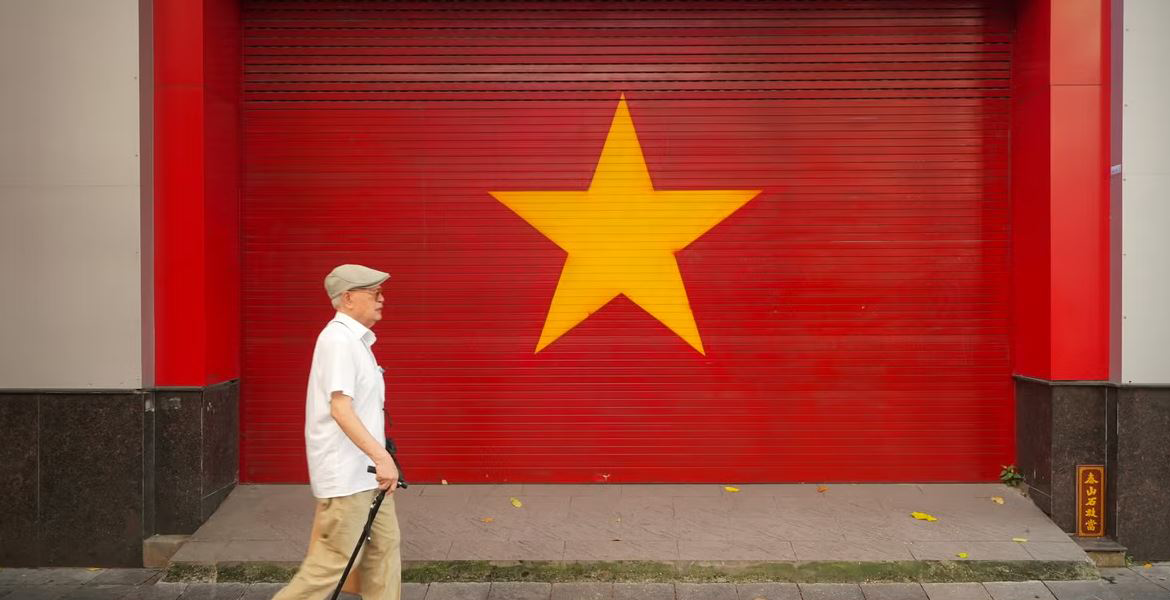
Think Vietnam Is Risk-Free? These Factory Red Flags Say Otherwise
Vietnam has emerged as one of the world’s most attractive manufacturing hubs. Competitive labor costs, improving infrastructure, favorable trade agreements, and a fast-growing industrial base have made it a top alternative to China for global buyers. But while Vietnam offers significant opportunities, sourcing from Vietnamese factories is not without risk.
Behind polished websites and friendly sales representatives, some factories hide operational weaknesses, compliance gaps, or even outright fraud. Experienced importers know that success in Vietnam depends not just on finding suppliers—but on spotting warning signs early.
Below are the most critical red flags to watch for when dealing with Vietnamese factories, and how to protect your business from costly mistakes.
1. Reluctance to Share Business Credentials
A reputable Vietnamese factory should be transparent about its legal status. If a supplier hesitates or refuses to provide documents such as a business registration certificate, factory address, tax code, or export license, this is a major red flag.
Some trading companies pose as factories, while others operate informally or outside legal compliance. This can create serious problems when contracts need enforcement or shipments get delayed at customs.
What to do:
Always verify registration documents and cross-check the factory address. When possible, confirm whether you’re dealing directly with the manufacturer or an intermediary.
2. Prices That Are “Too Good to Be True”
Vietnam is cost-competitive, but it is not the cheapest market in Asia. When a factory’s pricing is significantly lower than all competitors, caution is warranted.
Ultra-low pricing often signals:
Substandard raw materials
Underpaid or untrained labor
Hidden cost increases after order confirmation
Factories planning to cut corners on quality
In worst cases, low prices are used to secure deposits before production issues or disappearances occur.
What to do:
Benchmark prices across multiple suppliers and understand the cost structure. Sustainable factories rarely offer extreme discounts.
3. Poor or Inconsistent Communication
Clear communication is essential in cross-border sourcing. Warning signs include:
Slow or evasive email responses
Vague answers to technical questions
Frequent changes in contact persons
Over-promising without written confirmation
While language barriers are normal, consistent misunderstandings or avoidance often point to poor internal coordination—or intentional concealment of problems.
What to do:
Pay attention not just to what is said, but how it is said. Professional factories document specifications, timelines, and changes clearly.
4. Resistance to Factory Audits or Inspections
A legitimate factory should welcome audits—whether social, technical, or quality-based. If a supplier refuses site visits, delays inspections repeatedly, or suggests meeting “off-site,” it’s a serious concern.
Common issues hidden by audit resistance include:
Outsourcing production to unauthorized workshops
Unsafe working conditions
Lack of proper machinery or capacity
Non-compliance with labor or environmental laws
What to do:
Insist on third-party audits or on-site inspections before large orders. Resistance usually indicates something worth hiding.
5. Unclear Production Capacity or Lead Times
Some Vietnamese factories aggressively accept orders beyond their actual capacity. This often leads to missed deadlines, rushed production, or quality failures—especially during peak seasons.
Red flags include:
Unrealistically short lead times
No production schedule breakdown
Inability to explain machinery, shifts, or output capacity
What to do:
Ask detailed questions about monthly capacity, current order load, and contingency plans. Experienced factories know their numbers.
6. Quality Control Processes Are Weak or Undefined
If a factory cannot clearly explain its quality control system, assume quality issues will occur. Warning signs include:
No documented QC checkpoints
Reliance solely on “final inspection”
Lack of testing equipment or trained inspectors
No willingness to accept third-party QC
Vietnam’s manufacturing quality varies widely, and weak QC is one of the most common causes of disputes.
What to do:
Request samples, inspection reports, and clear QC workflows. Build inspections into your contract, not as an afterthought.
7. Requests for Risky Payment Terms
Be cautious if a supplier:
Demands 100% upfront payment
Requests payment to personal bank accounts
Frequently changes bank details
Pushes for cash or unofficial channels
While deposits are standard, aggressive or irregular payment requests can signal financial instability—or fraud.
What to do:
Stick to secure payment structures such as staged payments tied to inspections, and ensure payments go to the registered company account.
8. Over-Promising on Compliance and Certifications
Some factories claim to meet ISO, BSCI, FSC, or other international standards without valid certification. Others show expired or borrowed certificates from unrelated entities.
False compliance claims can expose your brand to reputational, legal, and regulatory risks—especially in regulated markets like the EU or US.
What to do:
Verify certifications with issuing bodies and confirm they match the factory name and address exactly.
9. No Clear Contract or Dispute Resolution Approach
If a factory avoids written contracts, dismisses dispute scenarios, or insists on informal agreements, take it seriously. Verbal promises carry little weight in cross-border disputes.
What to do:
Use detailed contracts covering quality standards, penalties, IP protection, delivery terms, and governing law. Professional suppliers expect this.
Final Thoughts
Vietnam offers immense potential for global sourcing—but success requires diligence, structure, and a healthy level of skepticism. Most sourcing failures are not caused by market conditions, but by ignoring early warning signs.
By identifying red flags early, conducting proper due diligence, and building strong contractual and inspection frameworks, buyers can confidently tap into Vietnam’s manufacturing strengths while minimizing risk.
In international sourcing, trust is earned—not assumed.
Share:
newsletter
Subscribe To Our Newsletter
Be ready for the ever-changing world.
Get practical insights on cross-border expansion, market entry strategies, digital growth, and Southeast Asia business trends delivered straight to your inbox.
We help businesses expand confidently across India, Vietnam, and Southeast Asia through market entry consulting, growth marketing, and technology-driven execution.
Information
Contact Us
- 455–455A–457 Hoàng Sa, Phường Võ Thị Sáu, Quận 3,Thành phố Hồ Chí Minh, Việt Nam – 700000
- contact@indoviet.vn
- +84-921025002
© 2025 IndoViet Consultants & Commerce Co. Ltd. All rights reserved.