
IndoViet’s Trade Risk Reduction Framework: A Smarter Way to Scale Globally
IndoViet’s Trade Risk Reduction Framework
Turning Trade Uncertainty into Strategic Advantage
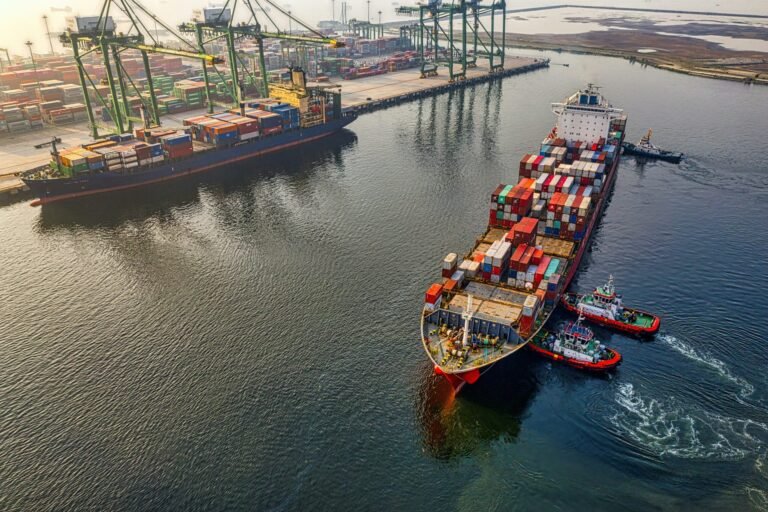
International trade offers immense opportunity—but it also comes with significant risk. From unreliable suppliers and inconsistent quality to regulatory challenges and logistics disruptions, businesses entering new markets often face more uncertainty than they anticipate.
This is especially true in high-growth markets like Vietnam, where opportunity is high—but so is complexity.
IndoViet’s Trade Risk Reduction Framework is designed to solve this exact problem: helping businesses move from uncertainty to control, and from risk to predictable outcomes.
Why Traditional Trade Approaches Fall Short
Many businesses still rely on outdated methods when entering new markets:
- Sourcing through online platforms without verification
- Managing suppliers remotely
- Focusing only on price instead of long-term reliability
- Reacting to problems instead of preventing them
The result:
Higher costs, delays, quality issues, and failed partnerships.
IndoViet’s framework takes a different approach—one that is proactive, structured, and grounded in on-the-ground execution.
The Core Philosophy: Prevention Over Reaction
At the heart of IndoViet’s framework is a simple idea:
Most trade risks can be prevented—not just managed.
Instead of waiting for problems to arise, the framework focuses on:
- Early risk identification
- Continuous monitoring
- Strong local execution
This shifts businesses from firefighting mode to strategic control.
The 5 Pillars of IndoViet’s Trade Risk Reduction Framework
1. Verified Supplier Ecosystem
The first step in reducing risk is working with the right partners.
Key actions:
- Supplier background checks
- Factory audits
- Capability validation
Outcome:
Only reliable and vetted suppliers become part of the supply chain.
2. On-Ground Presence and Control
IndoViet emphasizes physical presence in the market.
Key actions:
- Local teams or representatives
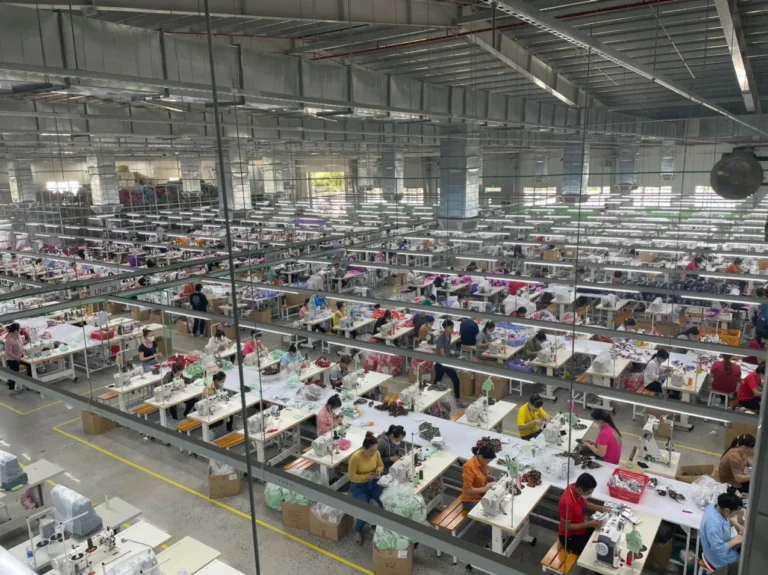
- Regular factory visits
- Real-time coordination
Outcome:
Greater visibility, faster decision-making, and stronger accountability.
3. Structured Quality Assurance
Quality issues are one of the biggest hidden costs in trade.
Key actions:
- Pre-production sample validation
- In-line production checks
- Final inspections before shipment
Outcome:
Consistent product quality and reduced returns or rework.
4. Transparent Communication Systems
Miscommunication is a major source of delays and errors.
Key actions:
- Clear reporting systems
- Regular updates
- Direct coordination between stakeholders
Outcome:
Fewer misunderstandings and smoother operations.
5. End-to-End Risk Monitoring
Risk does not exist in one stage—it spans the entire supply chain.
Key actions:
- Monitoring from sourcing to delivery
- Identifying early warning signals
- Proactive problem resolution
Outcome:
Reduced disruptions and more predictable outcomes.
How the Framework Impacts Business Outcomes
Reduced Operational Risk
Businesses gain better control over suppliers, timelines, and quality.
Improved Cost Efficiency
By preventing errors and delays, hidden costs are significantly reduced.
Faster and Smoother Execution
With on-ground coordination, decisions and actions happen faster.
Stronger Supplier Relationships
Trust and reliability improve through consistent engagement.
Scalable Growth
A stable foundation allows businesses to scale with confidence.
Practical Application: Who Benefits Most?
IndoViet’s framework is especially valuable for:
- Importers sourcing from Vietnam
- E-commerce sellers building private-label products
- Businesses expanding into Southeast Asia
- Companies looking to diversify supply chains beyond a single country
What Makes IndoViet’s Approach Different
Unlike traditional sourcing models that act as intermediaries, IndoViet positions itself as a strategic partner.
Key differentiators:
- Focus on risk prevention, not just sourcing
- Strong local presence
- Structured and repeatable processes
- Long-term partnership approach
Common Mistakes the Framework Helps Avoid
By implementing this framework, businesses can avoid:
- Choosing unreliable suppliers
- Facing unexpected quality issues
- Experiencing costly delays
- Losing control over operations
- Scaling without a stable foundation
Conclusion: A Smarter Way to Trade Globally
In today’s complex global trade environment, success is not just about finding opportunities—it’s about managing risks effectively.
IndoViet’s Trade Risk Reduction Framework provides a clear, practical, and proven approach to:
- Reduce uncertainty
- Improve control
- Build reliable supply chains
- Enable sustainable growth