
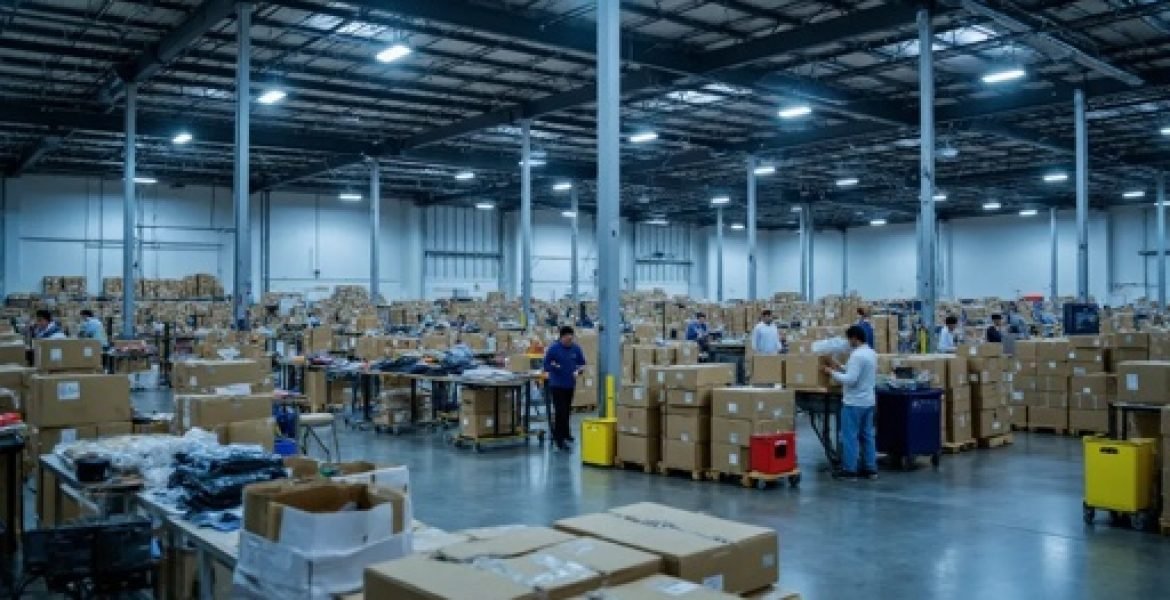
Multi-Factory Sourcing Explained: Lower Risk, Better Flexibility
Multi-Factory Sourcing Strategy to Reduce Supply Risk
In today’s unpredictable global trade environment, relying on a single factory for production is becoming increasingly risky. Supply chain disruptions, raw material shortages, shipping delays, labor issues, and geopolitical tensions have shown businesses how vulnerable single-source sourcing strategies can be.
Many importers learned this lesson the hard way during recent global supply chain disruptions. When one factory shut down or faced production delays, entire businesses struggled to fulfill orders, maintain inventory, and meet customer expectations.
This is why more companies are adopting a multi-factory sourcing strategy — a practical approach that helps reduce supply risk, improve operational flexibility, and create a more resilient supply chain.
Instead of depending entirely on one manufacturer, businesses spread production across multiple factories, often located in different regions or countries. This strategy not only improves supply security but also gives buyers greater control over quality, pricing, and production capacity.
What Is a Multi-Factory Sourcing Strategy?
A multi-factory sourcing strategy involves working with two or more manufacturers for the same or similar products instead of relying on a single supplier.
This approach can take several forms:
- Multiple factories within the same country
- Factories across different countries
- Primary and backup suppliers
- Splitting production volumes between suppliers
- Using specialized factories for different product categories
The goal is simple: reduce dependency on one source and minimize the impact of unexpected disruptions.
Why Single-Factory Dependency Is Risky
Many businesses choose a single supplier because it seems easier to manage. Communication becomes simpler, pricing negotiations may improve, and production coordination appears more streamlined.
However, this convenience can create serious long-term risks.
If one factory faces problems such as:
- Production shutdowns
- Financial instability
- Labor shortages
- Quality failures
- Export restrictions
- Raw material shortages
- Equipment breakdowns
the buyer may suddenly lose the ability to supply customers.
In highly competitive markets, even short disruptions can lead to lost sales, damaged customer relationships, and missed business opportunities.
Key Benefits of Multi-Factory Sourcing
1. Reduced Supply Chain Disruption Risk
The biggest advantage of multi-factory sourcing is risk diversification.
If one supplier experiences delays or operational issues, other factories can continue production and help maintain supply continuity.
This creates a stronger and more stable sourcing system.
2. Better Production Flexibility
Different factories may have different production strengths, capacities, or specialization areas.
By using multiple suppliers, businesses gain flexibility to:
- Increase production during peak seasons
- Shift orders when capacity becomes tight
- Handle urgent orders faster
- Launch new product lines more efficiently
This flexibility becomes especially important for growing businesses.
3. Improved Negotiation Power
When buyers depend entirely on one factory, the supplier often gains significant leverage over pricing and terms.
Working with multiple factories creates healthier competition among suppliers, helping buyers negotiate:
- Better pricing
- Faster lead times
- Improved payment terms
- Higher service standards
Suppliers also become more motivated to maintain quality and performance.
4. Access to Specialized Manufacturing Expertise
Not every factory is equally strong in every product category.
Some manufacturers may excel in:
- Product design
- Packaging
- Technical production
- Large-scale manufacturing
- Premium quality products
A multi-factory strategy allows businesses to select suppliers based on their strengths rather than forcing one factory to handle everything.
5. Stronger Business Continuity Planning
Natural disasters, political instability, pandemics, or transportation disruptions can affect manufacturing operations without warning.
Having backup suppliers already approved and production-ready helps businesses recover much faster during emergencies.
This proactive planning can protect revenue and customer relationships.
Challenges of Multi-Factory Sourcing
While the strategy offers major advantages, it also comes with management challenges.
Increased Coordination Requirements
Managing multiple suppliers requires stronger communication, planning, and monitoring systems.
Businesses must coordinate:
- Production schedules
- Quality standards
- Shipping timelines
- Inventory planning
- Supplier communication
Without proper organization, complexity can increase quickly.
Quality Consistency Issues
Different factories may interpret product specifications differently, leading to inconsistencies in:
- Materials
- Finishing
- Packaging
- Dimensions
- Product performance
To avoid this, businesses need standardized quality control processes and detailed product documentation.
Higher Supplier Management Costs
Factory audits, inspections, and supplier relationship management may require additional investment.
However, many businesses view these costs as worthwhile compared to the financial damage caused by supply chain disruptions.
How to Build an Effective Multi-Factory Sourcing Strategy
Start with Supplier Diversification
Avoid placing all orders with one supplier immediately.
Instead, gradually split production between multiple verified factories.
A common approach is:
- 70% production with the primary supplier
- 30% with secondary suppliers
This allows businesses to maintain strong relationships while creating backup capacity.
Choose Suppliers Carefully
Not every factory should become part of your sourcing network.
Before onboarding suppliers, businesses should evaluate:
- Production capacity
- Financial stability
- Compliance standards
- Export experience
- Quality systems
- Communication capabilities
Factory audits and supplier verification are critical steps.
Standardize Product Specifications
Clear technical documentation helps maintain product consistency across factories.
This includes:
- Product drawings
- Material specifications
- Packaging instructions
- Quality standards
- Testing requirements
Detailed documentation reduces production errors and misunderstandings.
Implement Strong Quality Control Systems
Quality inspections should be conducted consistently across all suppliers.
Businesses should use:
- Pre-production inspections
- During-production inspections
- Final random inspections
- Third-party quality audits
Consistent quality management is essential for maintaining brand reputation.
Develop Long-Term Supplier Relationships
A multi-factory strategy should not create purely transactional relationships.
Suppliers that feel valued are more likely to prioritize your orders during difficult periods.
Building long-term partnerships improves:
- Communication
- Production transparency
- Problem-solving
- Operational reliability
Regional Diversification: An Increasingly Popular Strategy
Many companies are now combining multi-factory sourcing with multi-country sourcing.
For example, businesses may divide production between:
- Vietnam
- India
- China
- Indonesia
- Bangladesh
This approach helps reduce country-specific risks such as tariffs, political tensions, or regional shutdowns.
It also improves supply chain resilience on a global scale.
Technology and Data Play a Growing Role
Modern sourcing strategies increasingly rely on technology to manage multiple suppliers efficiently.
Digital tools help businesses monitor:
- Production status
- Inventory levels
- Supplier performance
- Shipment tracking
- Compliance records
Data-driven sourcing decisions allow businesses to identify risks early and improve operational efficiency.
Final Thoughts
In a rapidly changing global market, supply chain resilience has become a competitive advantage. Businesses that rely entirely on one factory expose themselves to unnecessary operational and financial risks.
A well-planned multi-factory sourcing strategy helps companies improve supply security, maintain production continuity, and respond more effectively to market challenges.
Although managing multiple suppliers requires more effort and coordination, the long-term benefits often outweigh the complexity. Businesses that diversify their manufacturing base are generally better prepared to handle disruptions, scale operations, and build stronger global supply chains.
Share:
newsletter
Subscribe To Our Newsletter
Be ready for the ever-changing world.
Get practical insights on cross-border expansion, market entry strategies, digital growth, and Southeast Asia business trends delivered straight to your inbox.

We help businesses expand confidently across India, Vietnam, and Southeast Asia through market entry consulting, growth marketing, and technology-driven execution.
Information
Contact Us
- 455–455A–457 Hoàng Sa, Phường Võ Thị Sáu, Quận 3,Thành phố Hồ Chí Minh, Việt Nam – 700000
- contact@indoviet.vn
- +84-876761740
- +84-562107246
© 2025 IndoViet Consultants & Commerce Co. Ltd. All rights reserved.