
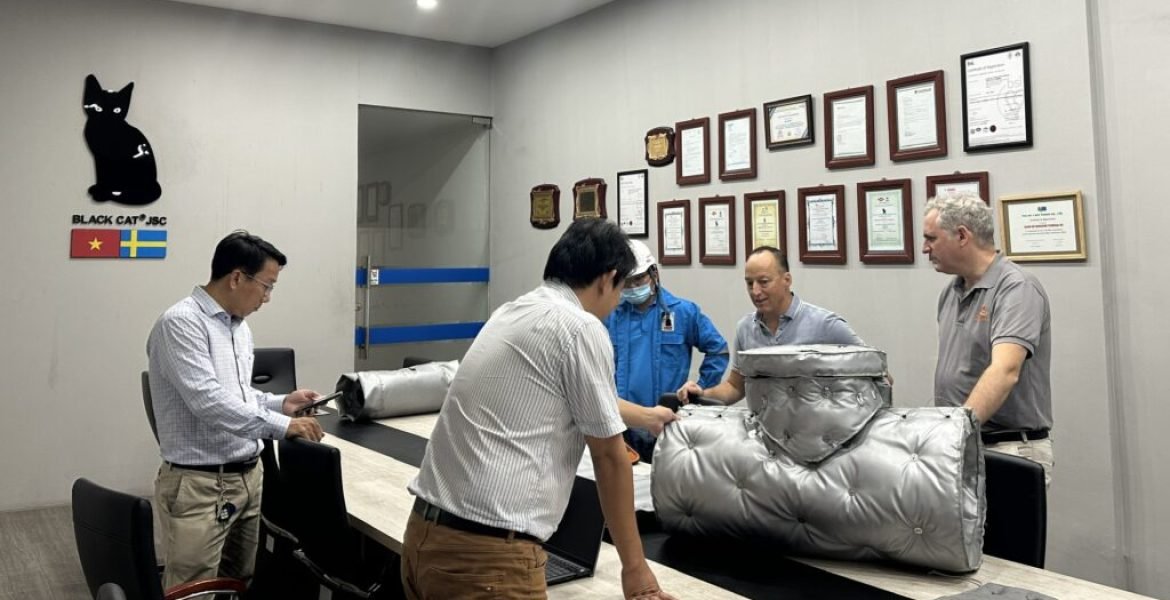
supplier-vetting-in-vietnam-the-consultants-proven-checklist
How to Find Reliable Suppliers in Vietnam (Beyond Alibaba)
Introduction
Vietnam has rapidly emerged as a global manufacturing powerhouse, attracting buyers looking to diversify beyond China. But while platforms like Alibaba make sourcing easy, they often create a false sense of security. Listings can be outdated, intermediaries may pose as manufacturers, and transparency is limited.
Serious importers know that the real opportunity lies beyond online marketplaces. If you want better pricing, higher quality, and long-term reliability, you need to tap into Vietnam’s offline and direct supplier ecosystem.
This guide walks you through practical, proven strategies to find trustworthy suppliers in Vietnam—without relying on Alibaba.
1. Attend Trade Shows and Industry Exhibitions
Trade shows remain one of the most effective ways to connect with genuine manufacturers.
Why it works:
- You meet suppliers face-to-face
- You can physically inspect product quality
- You deal directly with decision-makers
Key events in Vietnam:
- Vietnam Expo (multi-industry)
- SaigonTex (textiles & garments)
- VietnamWood (furniture & home décor)
Pro Tip:
Prepare a shortlist of questions and product specs before attending. This helps you filter serious suppliers quickly.
2. Work with Local Sourcing Agents
A reliable sourcing agent in Vietnam can significantly reduce risk and save time.
What they offer:
- Supplier identification and vetting
- Factory audits
- Price negotiation
- Quality control
When to use:
- If you’re new to Vietnam
- If language or cultural barriers exist
- If you want faster execution
Important:
Not all agents are equal. Always check:
- Client references
- Experience in your product category
- Transparency in pricing
3. Use Vietnamese Business Directories
Instead of global platforms, explore local directories where real manufacturers are listed.
Useful platforms:
- Vietnam Yellow Pages
- Industry-specific associations
- Government trade portals
These platforms often list actual factories, not traders pretending to be manufacturers.
4. Visit Industrial Zones and Factories
Vietnam’s manufacturing is concentrated in industrial clusters.
Key regions:
- Ho Chi Minh City (south) – textiles, furniture, consumer goods
- Hanoi (north) – electronics, machinery
- Binh Duong & Dong Nai – heavy manufacturing
Why factory visits matter:
- Verify production capability
- Assess working conditions
- Build trust directly
What to observe:
- Machinery and capacity
- Workforce size
- Quality processes
5. Leverage Referrals and Networks
In Vietnam, relationships matter more than listings.
Where to find referrals:
- Existing suppliers
- Logistics partners
- Industry consultants
- Trade associations
A referred supplier is often more reliable than one found online.
6. Conduct Supplier Verification (Non-Negotiable)
Finding a supplier is easy. Verifying them is critical.
Essential checks:
- Business license and registration
- Export history
- Factory ownership (not a trading company)
- Certifications (ISO, FSC, etc. depending on product)
Go deeper:
- Request production videos
- Ask for client references
- Conduct third-party audits
7. Start with Small Trial Orders
Never jump into large orders immediately.
Why:
- Test quality consistency
- Evaluate communication
- Check delivery timelines
A small initial order can prevent a costly mistake.
8. Build Long-Term Relationships
Vietnamese suppliers value long-term partnerships over short-term deals.
How to build trust:
- Communicate clearly and respectfully
- Visit periodically if possible
- Pay on time
- Offer repeat business
Result:
Better pricing, priority production, and improved quality over time.
9. Use LinkedIn and Direct Outreach
Many Vietnamese manufacturers are active on LinkedIn or have basic websites.
Strategy:
- Search by industry keywords
- Reach out directly to company representatives
- Request catalogs and company profiles
This approach often bypasses middlemen completely.
Common Mistakes to Avoid
- Relying only on online platforms
- Choosing the cheapest supplier
- Skipping factory verification
- Ignoring communication red flags
- Not having clear product specifications
Conclusion
Finding reliable suppliers in Vietnam requires more effort than browsing Alibaba—but the rewards are significantly greater. By going beyond marketplaces and focusing on direct connections, verification, and relationship-building, you gain access to better quality, competitive pricing, and long-term stability.
Share:
newsletter
Subscribe To Our Newsletter
Be ready for the ever-changing world.
Get practical insights on cross-border expansion, market entry strategies, digital growth, and Southeast Asia business trends delivered straight to your inbox.
We help businesses expand confidently across India, Vietnam, and Southeast Asia through market entry consulting, growth marketing, and technology-driven execution.
Information
Contact Us
- 455–455A–457 Hoàng Sa, Phường Võ Thị Sáu, Quận 3,Thành phố Hồ Chí Minh, Việt Nam – 700000
- contact@indoviet.vn
- +84-876761740
- +84-562107246
© 2025 IndoViet Consultants & Commerce Co. Ltd. All rights reserved.