
The Real Cost of Entering Vietnam: Hidden Expenses Revealed
Cost of Entering Vietnam: Hidden Expenses Nobody Talks About
Introduction: The Budget You Plan vs The Cost You Actually Pay
Most businesses entering Vietnam start with a simple assumption:
“Labor is cheaper, so overall costs will be lower.”
That’s only half the story.
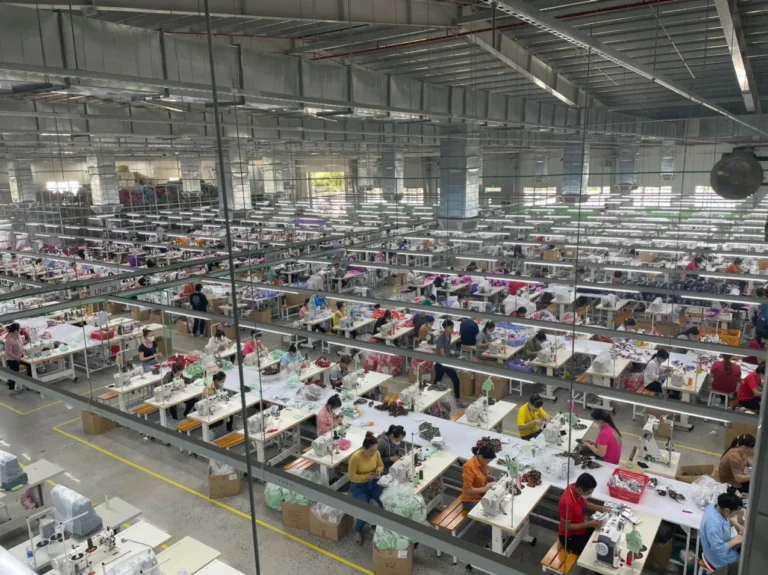
While Vietnam does offer cost advantages, many companies underestimate the hidden expenses that quietly add up during market entry. These are not always visible in initial budgets—but they can significantly impact profitability and timelines.
The result?
Projects go over budget, margins shrink, and expectations fall short.
This article uncovers the real, often overlooked costs of entering Vietnam—and how smart businesses plan for them.
1. Market Research Isn’t Free (If You Do It Right)
The Hidden Cost:
Professional market research, competitor analysis, and feasibility studies.
Why It Matters:
Many businesses try to save money by skipping detailed research—only to pay more later through wrong decisions.
Where Costs Arise:
- Hiring local consultants
- Industry reports and data access
- Field research and surveys
Practical Insight:
Spending upfront on research often prevents much larger losses later.
2. Partner Due Diligence and Verification
The Hidden Cost:
Validating suppliers, distributors, or joint venture partners.
What Businesses Miss:
Verification is not just a formality—it’s a process.
Cost Components:
- Factory audits
- Background checks
- Legal verification
- Travel and site visits
Reality Check:
Choosing the wrong partner is far more expensive than verifying the right one.
3. Legal and Compliance Expenses
The Hidden Cost:
Navigating Vietnam’s regulatory environment.
What’s Often Overlooked:
- Business registration fees
- Licensing costs
- Legal advisory fees
- Ongoing compliance costs
Additional Layer:
Industry-specific regulations can increase complexity and cost.
Practical Tip:
Budget for both setup and ongoing compliance, not just initial registration.
4. Product Certification and Standards
The Hidden Cost:
Meeting local product requirements.
Examples:
- Safety certifications
- Labeling compliance
- Quality inspections
Impact:
Delays and additional testing costs if requirements are not understood early.
Insight:
Certification is often underestimated—but it can delay market entry significantly.
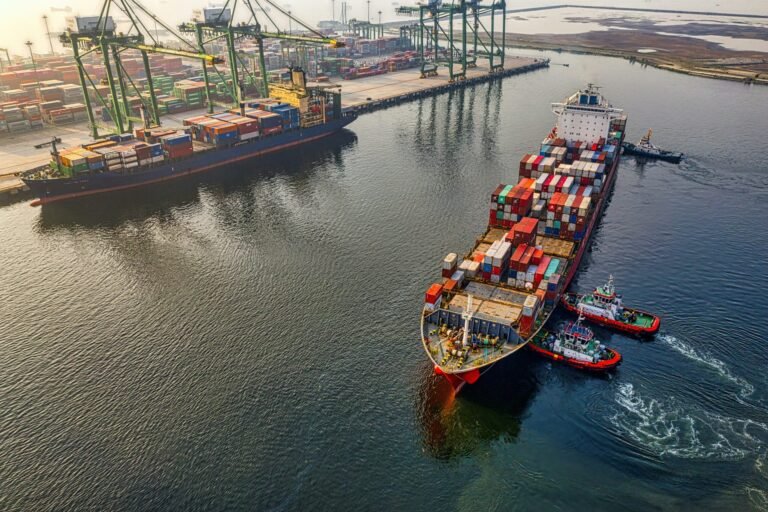
5. Logistics and Supply Chain Surprises
The Hidden Cost:
Shipping and operational inefficiencies.
What Businesses Expect:
Low-cost logistics.
What Actually Happens:
- Fluctuating freight rates
- Port handling charges
- Customs clearance fees
- Warehousing costs
Extra Challenge:
Vietnam still depends on imported raw materials in many sectors, which adds complexity.
6. Communication and Coordination Costs
The Hidden Cost:
Time, effort, and inefficiencies in managing cross-border operations.
Factors Involved:
- Language barriers
- Time zone differences
- Miscommunication leading to rework
Real Impact:
Delays, errors, and additional operational costs.
Practical Tip:
Invest in clear communication processes or local intermediaries.
7. Travel and On-Ground Presence
The Hidden Cost:
Frequent visits to Vietnam.
What’s Involved:
- Flights and accommodation
- Local transport
- Meeting and coordination expenses
Why It Matters:
Remote management rarely works effectively in early stages.
On-ground presence reduces risk—but adds cost.
8. Product Adaptation and Localization
The Hidden Cost:
Adjusting your product for the Vietnamese market.
What Needs Change:
- Design
- Packaging
- Branding
- Pricing
Example:
A product that sells well in India may need redesigning to match Vietnamese consumer preferences.
Impact:
Additional design, production, and testing costs.
9. Delays and Opportunity Costs
The Hidden Cost:
Time lost due to delays.
Common Causes:
- Regulatory approvals
- Partner misalignment
- Logistics issues
Why It Matters:
Time delays = lost revenue + increased operational expenses.
10. Trial and Error Costs
The Hidden Cost:
Learning by doing.
What Happens:
- Initial product failures
- Wrong pricing strategies
- Ineffective distribution channels
Reality:
No market entry is perfect—iteration is part of the process.
Smart Approach:
Plan a “learning budget” instead of expecting immediate perfection.
How to Plan Better: A Practical Cost Strategy
Instead of asking “How cheap is Vietnam?”, ask:
1. What is my total cost of entry (not just production)?
Include:
- Setup
- Operations
- Risk buffers
2. Have I built a contingency budget?
Allocate at least 10–20% extra for unexpected costs.
3. Am I investing in risk reduction?
Spending on:
- Due diligence
- Local expertise
- Market validation
…actually reduces long-term costs.
Common Cost Mistakes to Avoid
- Focusing only on labor cost savings
- Ignoring compliance and certification costs
- Skipping due diligence to save money
- Underestimating logistics complexity
- Not budgeting for delays and errors
Conclusion: Vietnam Is Cost-Effective—If You Understand the Full Picture
Vietnam remains one of the most attractive markets for global expansion—but it is not as “cheap” as it appears on the surface.
The real advantage comes not from low costs alone, but from smart cost planning.
Businesses that succeed in Vietnam are not the ones that spend the least—they are the ones that:
- Anticipate hidden costs
- Plan realistically
- Invest in the right areas