Share:
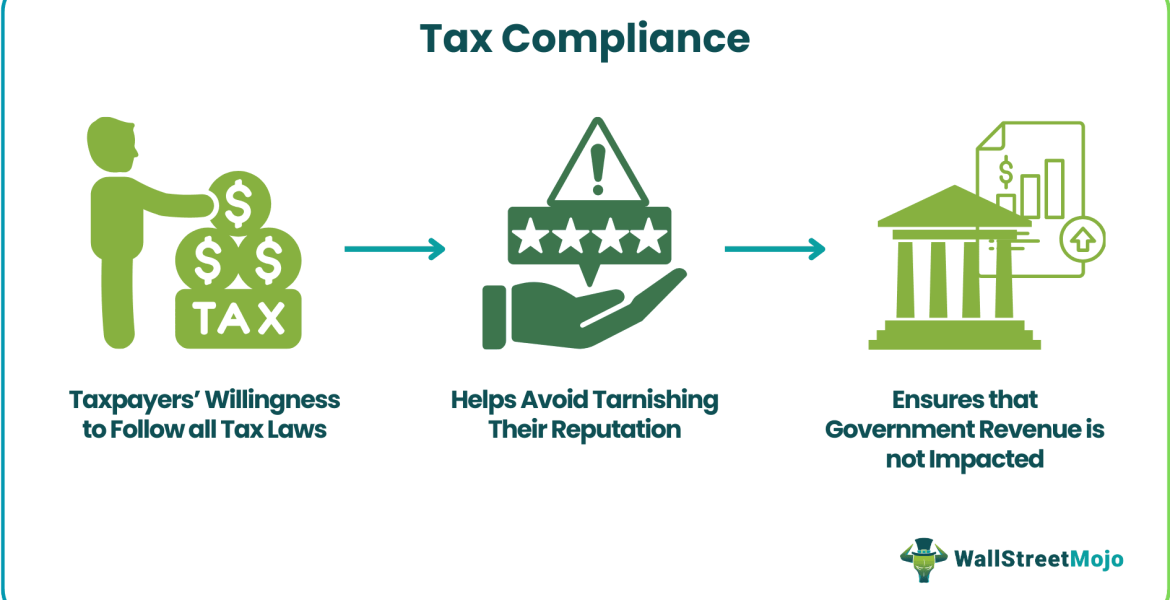
Trade Offices Explained: Tax & Compliance Made Simple
Tax & Regulatory Basics for Trade Offices
Setting up a trade office—often known as a representative office—is one of the most common and low-risk ways for foreign companies to explore new markets. It allows businesses to establish a presence, build relationships, and conduct market research without fully committing to commercial operations.
However, while trade offices are relatively simple to set up, their tax and regulatory obligations are often misunderstood. Many companies assume that “non-commercial” means “no compliance”—a mistake that can lead to penalties and operational disruptions.
Understanding the basics of tax and regulatory requirements is essential for running a compliant and efficient trade office.
What is a Trade Office?
A trade office (or representative office) is a legal entity that allows foreign companies to operate in a country without engaging in direct revenue-generating activities.
Typical permitted activities include:
- Market research and analysis
- Liaison with local partners and suppliers
- Brand promotion and business development
- Coordination between headquarters and local stakeholders
However, trade offices are generally not allowed to conduct sales, issue invoices, or generate revenue locally.
Tax Position of Trade Offices
One of the key advantages of a trade office is its simplified tax structure—but this does not mean zero obligations.
1. Corporate Income Tax (CIT)
Since trade offices are not allowed to generate income, they are typically not subject to corporate income tax.
However, authorities may closely monitor activities to ensure that no indirect revenue generation is taking place. If a trade office is found to be engaging in commercial activities, it may face penalties and reclassification.
2. Personal Income Tax (PIT)
Trade offices are responsible for handling personal income tax for their employees.
This includes:
- Registering employees with tax authorities
- Calculating and withholding PIT from salaries
- Filing regular tax returns on behalf of employees
Failure to comply can lead to fines and legal complications.
3. Social Insurance Contributions
In many countries (including Vietnam), employers must contribute to mandatory social insurance schemes for local employees.
This typically covers:
- Social insurance
- Health insurance
- Unemployment insurance
Trade offices must ensure timely registration and payments to remain compliant.
4. Withholding Taxes
If the trade office engages with foreign vendors or service providers, certain payments may be subject to withholding tax.
Understanding when and how these taxes apply is important to avoid unexpected liabilities.
Regulatory Compliance Requirements
Beyond taxes, trade offices must comply with several regulatory obligations.
1. Licensing & Renewals
Trade offices operate under a specific license that must be:
- Renewed periodically
- Updated if there are changes in business scope, address, or leadership
Missing renewal deadlines can result in suspension of operations.
2. Activity Reporting
Authorities often require periodic reports detailing:
- Business activities
- Staff employment
- Operational updates
These reports ensure that the trade office remains within its permitted scope.
3. Office Address & Local Presence
Trade offices must maintain a registered physical address and operate within approved locations.
Virtual or non-compliant office setups can lead to regulatory issues.
4. Restrictions on Business Activities
One of the most critical compliance aspects is adhering to activity restrictions.
Trade offices cannot:
- Sign sales contracts in the local market
- Issue invoices
- Receive payments for goods or services
Violating these restrictions can lead to fines, back taxes, or even forced closure.
Common Mistakes to Avoid
Many foreign businesses make similar errors when operating trade offices:
- Assuming no tax obligations at all
- Overstepping into commercial activities
- Ignoring employee-related compliance requirements
- Missing reporting deadlines
- Underestimating the importance of local regulations
These mistakes are often the result of limited local knowledge and lack of proper guidance.
Best Practices for Smooth Operations
To ensure compliance and efficiency, businesses should adopt a proactive approach:
1. Work with Local Experts
Engage consultants or advisors who understand local tax and regulatory frameworks.
2. Maintain Clear Activity Boundaries
Ensure all operations strictly align with permitted trade office functions.
3. Keep Documentation Updated
Maintain accurate records for licenses, employee data, and financial transactions.
4. Stay Updated on Regulatory Changes
Laws and requirements can evolve—regular updates are essential.
5. Conduct Periodic Compliance Reviews
Internal audits can help identify and fix issues before they escalate.
Why Compliance Matters More Than You Think
Trade offices are often used as a stepping stone to full-scale operations. Poor compliance at this stage can:
- Damage relationships with local authorities
- Delay future expansion plans
- Increase financial and legal risks
On the other hand, a well-managed and compliant trade office builds credibility and creates a strong foundation for long-term growth.
Final Thoughts
Trade offices offer a strategic and low-risk way to enter new markets—but they are not free from tax and regulatory responsibilities. Understanding the basics of compliance, even at this early stage, is critical to avoiding costly mistakes.
With the right approach, proper guidance, and a clear understanding of limitations, trade offices can operate smoothly while positioning the business for future expansion.