
Vietnam Market Entry: Mistakes That Cost Companies Millions
Lessons from Failed Vietnam Market Entries
The Market Everyone Wants—But Few Truly Understand
Vietnam has become one of the most attractive destinations for global expansion. With its fast-growing economy, strong manufacturing base, and increasing global integration, it promises opportunity.
Yet, behind the success stories lies a quieter reality: many businesses enter Vietnam with high expectations—and exit with losses.
The difference between success and failure in Vietnam is rarely luck. It comes down to preparation, execution, and understanding the market beyond surface-level insights.
1. Treating Vietnam Like a “Simple Alternative”
Many companies approach Vietnam as a straightforward replacement for other markets.
What goes wrong:
- Assuming similar supplier capabilities
- Expecting identical production standards
- Underestimating operational differences
The lesson:
Vietnam is not a plug-and-play alternative. It requires its own sourcing, compliance, and operational strategy.
2. Relying on Price Instead of Value
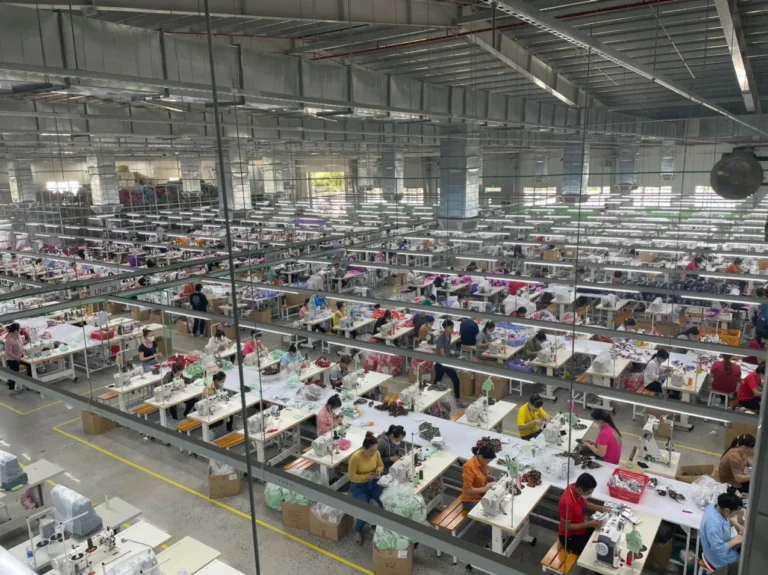
Low-cost manufacturing is one of Vietnam’s biggest attractions—but also one of the biggest traps.
What goes wrong:
- Choosing suppliers based solely on price
- Ignoring quality control systems
- Overlooking hidden costs
The lesson:
The cheapest option often becomes the most expensive when quality issues, delays, and rework are factored in.
3. Weak Supplier Verification
One of the most common reasons for failure is poor supplier due diligence.
What goes wrong:
- Trusting online listings without verification
- Skipping factory audits
- Accepting samples that don’t reflect actual production
The lesson:
Verification is non-negotiable. On-ground checks, audits, and consistent monitoring are essential.
4. Misunderstanding Local Business Culture
Vietnam’s business environment is relationship-driven.
What goes wrong:
- Rushing negotiations
- Focusing only on contracts
- Ignoring relationship-building
The lesson:
Trust takes time. Businesses that invest in relationships tend to get better cooperation, pricing, and reliability.
5. Underestimating Regulatory and Compliance Requirements
While Vietnam is improving its ease of doing business, regulatory complexity still exists.
What goes wrong:
- Incomplete documentation
- Misinterpreting import/export rules
- Delays in approvals
The lesson:
Local legal guidance and compliance expertise are critical to avoid costly mistakes.
6. Managing Operations Remotely
Many companies try to run Vietnam operations from another country.
What goes wrong:
- Limited visibility into production
- Poor communication with suppliers
- Delayed issue resolution
The lesson:
A lack of ground presence often leads to a lack of control. Local representation makes a significant difference.
7. Overestimating Market Readiness
Vietnam is growing—but it is still a developing market in many sectors.
What goes wrong:
- Assuming immediate large-scale demand
- Misjudging consumer preferences
- Ignoring local competition
The lesson:
Start small. Validate your product and adapt to the local market before scaling.
8. Ignoring Logistics and Supply Chain Realities
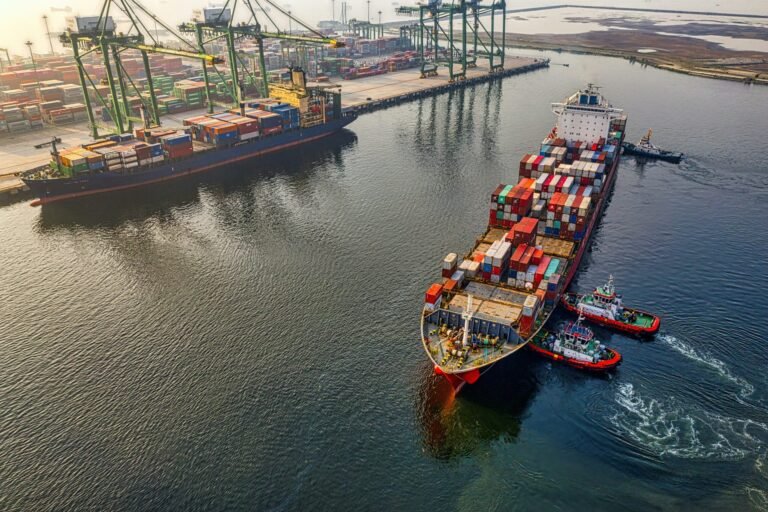
Logistics in Vietnam can be efficient—but not without planning.
What goes wrong:
- Underestimating lead times
- Poor coordination with shipping partners
- Lack of contingency planning
The lesson:
A strong logistics strategy is just as important as supplier selection.
9. Expanding Too Fast
Speed is often mistaken for strategy.
What goes wrong:
- Scaling before stabilizing operations
- Overcommitting resources
- Losing control over quality and timelines
The lesson:
Sustainable growth beats rapid expansion. Build a solid foundation before scaling.
10. Lack of a Long-Term Strategy
Some businesses enter Vietnam opportunistically rather than strategically.
What goes wrong:
- No clear roadmap
- Short-term decision-making
- Reactive problem-solving
The lesson:
Vietnam rewards long-term commitment, not short-term experimentation.
Conclusion: Failure Leaves Clues—If You Pay Attention
Failed market entries are not just cautionary tales—they are valuable learning tools.
Vietnam offers immense potential, but it demands:
- Careful planning
- Strong local understanding
- Consistent execution
- Long-term commitment