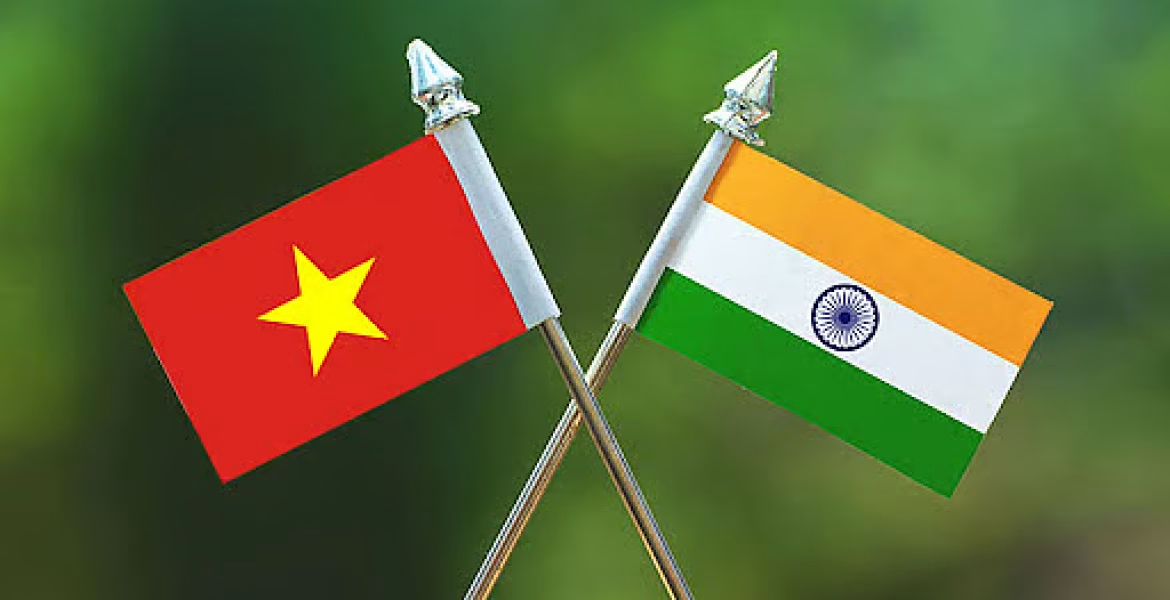
Vietnam Rising: Why India Can’t Ignore Its Trade Potential
Why Vietnam Is Critical to India’s Trade Future
A Strategic Shift Is Underway
Global trade is being quietly reshaped. Supply chains are moving, manufacturing hubs are evolving, and businesses are actively reducing dependence on single-country sourcing. In this shifting landscape, Vietnam has emerged not just as an alternative—but as a strategic necessity.
For Indian businesses looking to expand, diversify risk, and stay competitive globally, Vietnam is no longer optional. It is critical.
1. The “China Plus One” Strategy Is Now Reality
Over the past decade, companies worldwide have adopted the “China Plus One” strategy—diversifying manufacturing and sourcing beyond China. Vietnam has become the biggest beneficiary of this shift.
Why Vietnam stands out:
- Competitive labor costs
- Strong manufacturing ecosystem
- Stable political environment
- Business-friendly policies
For Indian importers and exporters, this means access to a reliable secondary sourcing hub that reduces overdependence on any single market.
2. Strong Trade Synergy Between India and Vietnam
India and Vietnam are not just trading partners—they are complementary economies.
India exports to Vietnam:
- Pharmaceuticals
- Machinery
- Steel and chemicals
Vietnam exports to India:
- Electronics
- Furniture
- Textiles
- Consumer goods
This balance creates a natural trade corridor where both sides benefit without intense competition.
3. Vietnam’s Manufacturing Power Is Growing Fast
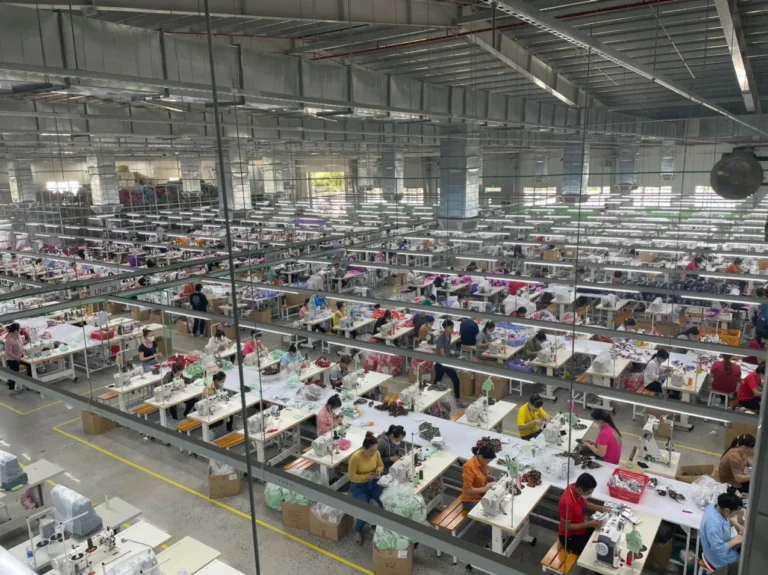
Vietnam has rapidly transformed into a global manufacturing hub, especially in:
- Electronics (phones, components)
- Furniture and home décor
- Textiles and garments
For Indian entrepreneurs—especially those in e-commerce, retail, or home décor (like your business category)—Vietnam offers:
- High-quality production
- Scalable manufacturing
- Competitive pricing
This combination is difficult to ignore.
4. Free Trade Agreements Give Vietnam an Edge
Vietnam has signed multiple Free Trade Agreements (FTAs) with major global economies, including:
- EU–Vietnam FTA
- CPTPP (Comprehensive and Progressive Agreement for Trans-Pacific Partnership)
This gives Vietnam preferential access to key markets, making it an attractive base for export-oriented manufacturing.
For Indian businesses, sourcing from Vietnam can indirectly open doors to global markets with better margins.
5. Strategic Geographic Advantage
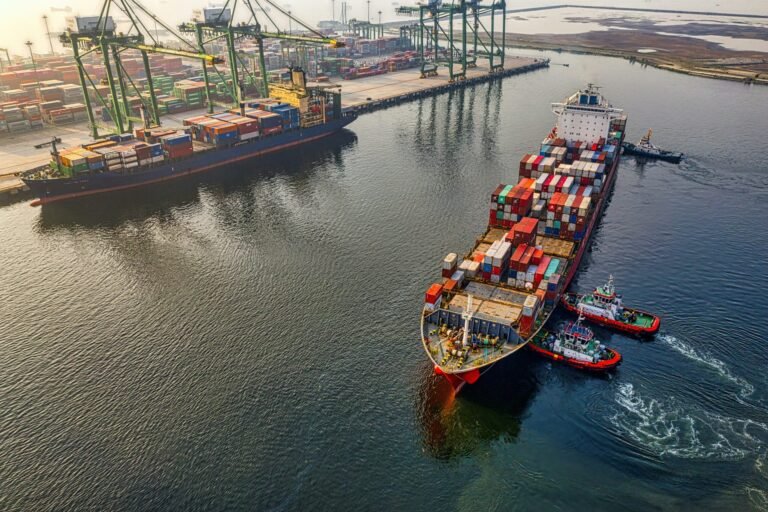
Vietnam’s location in Southeast Asia makes it a logistics powerhouse:
- Close to major shipping routes
- Strong port infrastructure
- Efficient export systems
Compared to some other emerging markets, Vietnam offers faster turnaround times and smoother logistics—critical for modern supply chains.
6. Risk Diversification for Indian Businesses
One of the biggest mistakes businesses make is relying too heavily on a single sourcing country.
Vietnam helps mitigate risks such as:
- Supply chain disruptions
- Geopolitical tensions
- Cost fluctuations
A diversified sourcing strategy that includes Vietnam makes businesses more resilient and future-ready.
7. Ease of Market Entry Is Improving
Vietnam has significantly improved its business environment:
- Simplified regulations
- Increasing transparency
- Growing support for foreign investors
However, challenges still exist—language barriers, local compliance, and supplier verification.
Practical tip:
Indian businesses should consider working with local partners or on-ground teams to navigate these challenges effectively.
8. Opportunities for Indian Entrepreneurs
Vietnam is especially valuable for:
- Amazon sellers sourcing private-label products
- Importers in home décor, furniture, and lifestyle products
- Businesses looking for OEM manufacturing
- Companies expanding into Southeast Asia
The key is not just entering Vietnam—but doing it strategically.
9. Challenges to Be Aware Of
Vietnam is not a “plug-and-play” market. Common challenges include:
- Supplier reliability variations
- Cultural and communication gaps
- Quality consistency issues
- Limited direct visibility without local presence
Solution:
Strong due diligence, factory audits, and local representation are essential to succeed.
Conclusion: A Strategic Imperative, Not Just an Opportunity
Vietnam is no longer just an emerging market—it is a cornerstone of global trade transformation.
For India, the partnership with Vietnam represents:
- Diversified supply chains
- Stronger trade resilience
- Access to global markets
- Long-term strategic growth